Hello, my name is

Zak Vaneck

Mechanical Engineer

About me

I am a mechanical engineer with a background in entrepreneurship, hands-on product development, and small-scale operations.

I bring care to small details and structure to larger projects.

Over the years, I’ve built 3D-printed products, led design projects, and helped manage properties across multiple locations. These experiences have shaped the way I work: organized, practical, and focused on making things function well—whether it’s a prototype or a production process.

Most of my technical work has come through self-driven businesses, consulting projects, and hands-on experiments in design and fabrication. I enjoy the early stages of an idea—figuring out how to make something work using practical tools like SolidWorks, Fusion 360, 3D printers, and milling machines. Whether I’m troubleshooting a stubborn machine or coordinating equipment across projects, I try to approach things with patience, curiosity, and a focus on reliable results. I learn best by doing, and I’m always open to new challenges and collaborations.

What I do

I specialize in design and simulation, rapid prototyping and supporting projects with practical coordination and planning.

design & simulation

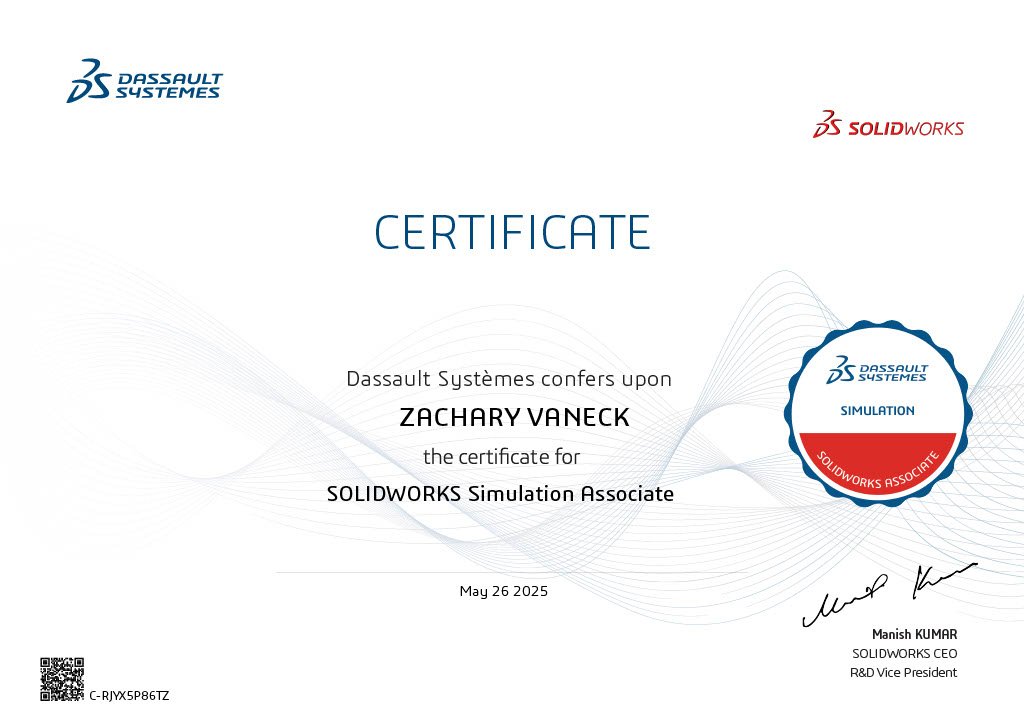
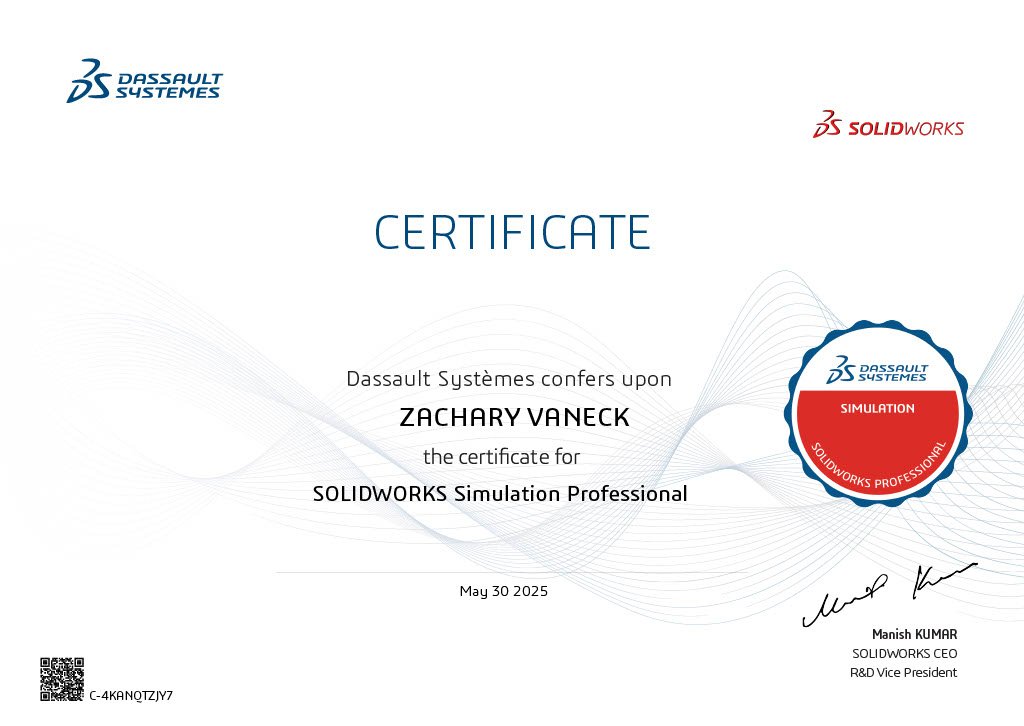
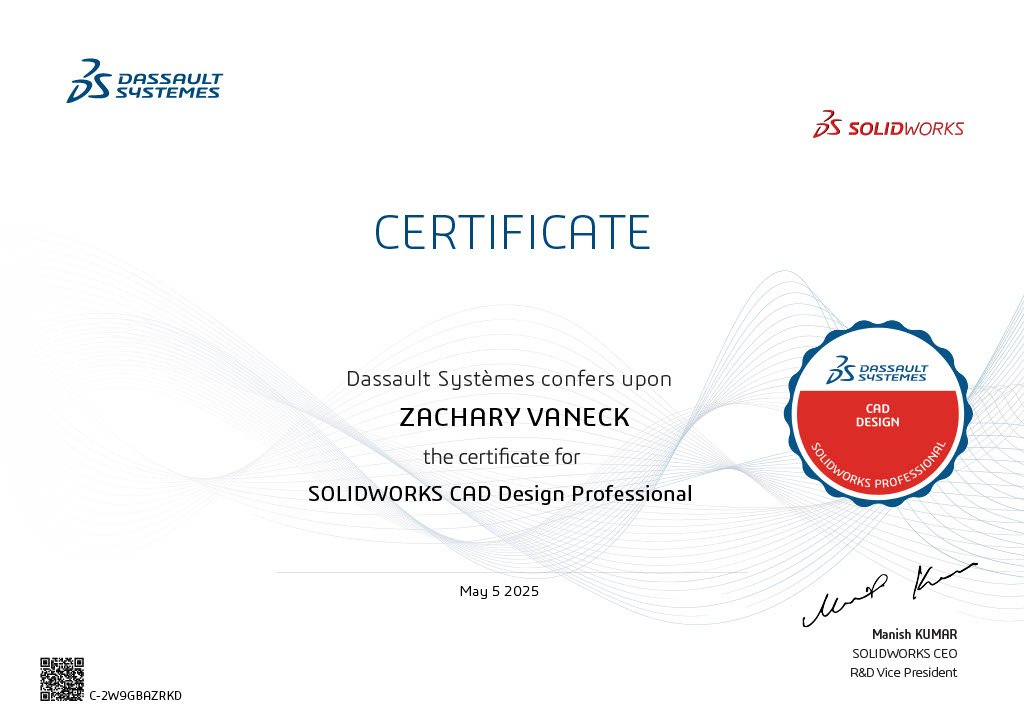
I create detailed part and assembly models and use simulation tools to test how they’ll perform under real-world conditions.

Prototyping & Fabrication

Familiarity with advanced manufacturing techniques allows me to move quickly from design to prototype.

Project Coordination

In addition to technical work, I’ve supported the coordination of property renovations and equipment logistics—helping manage schedules, track materials, and keep projects moving.

Project Portfolio

Summary
A robotic task light designed to track hand motion and respond to gesture-based commands.  Initially designed for desktop use, but pivoted to medical use-case to support sterility in exam rooms.

Problem/Goal
We aimed to create a light system that could automatically follow and illuminate a user’s work area. The design evolved into a no-touch solution for clinical settings, where maintaining clean surfaces is important.

Approach
I pitched the idea and led four of my classmates for our capstone design project. I was responsible for coordinating the technical and administrative efforts and contributed to the mechanical design and prototyping of the structure and motion system.

Outcome
At the final showcase, all core features worked: gesture control, tracking, and motion.

Initial 3D printed prototype of continuum armature design.

Design pivot to parallel armature to simplify control system and meet timeline/budget restrictions.

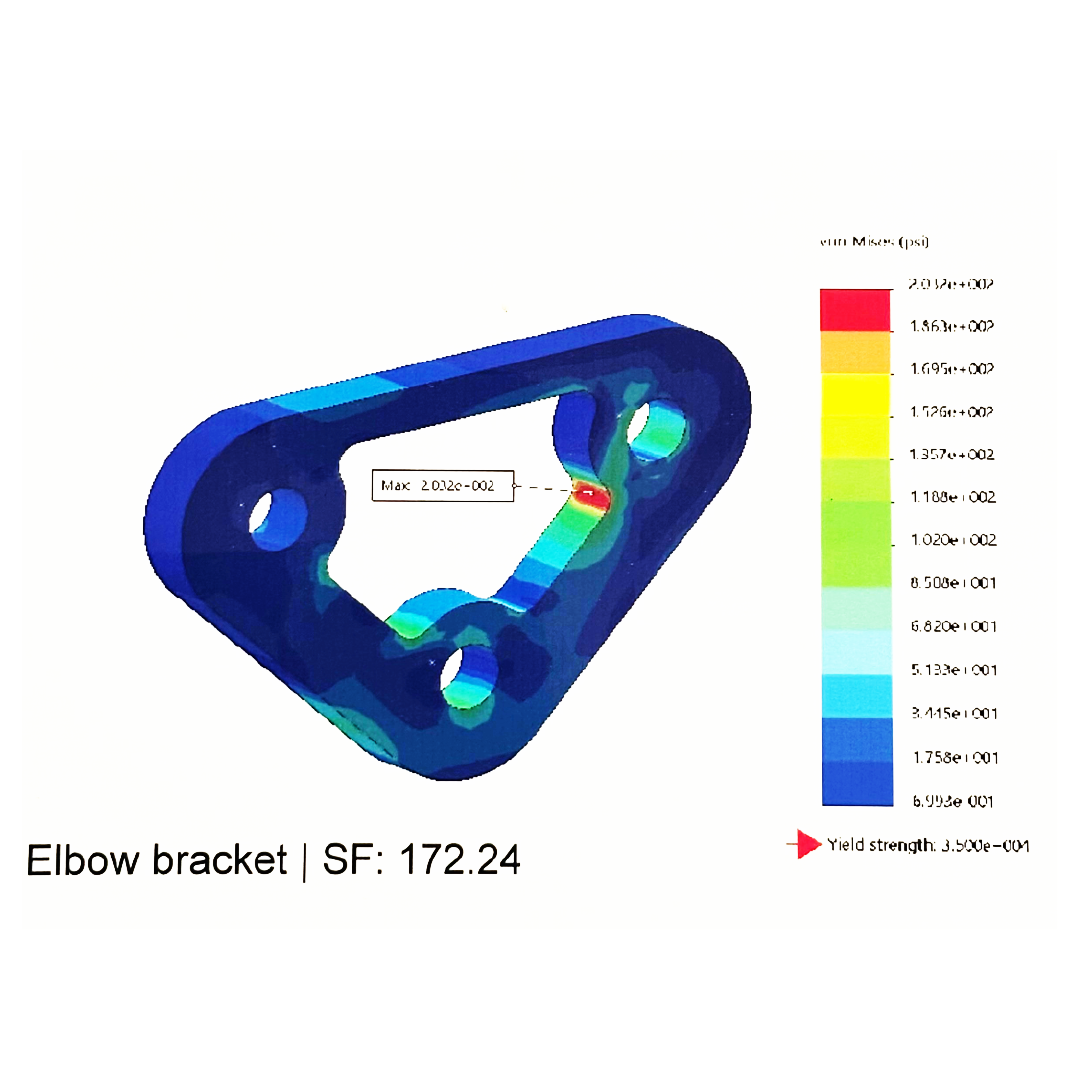
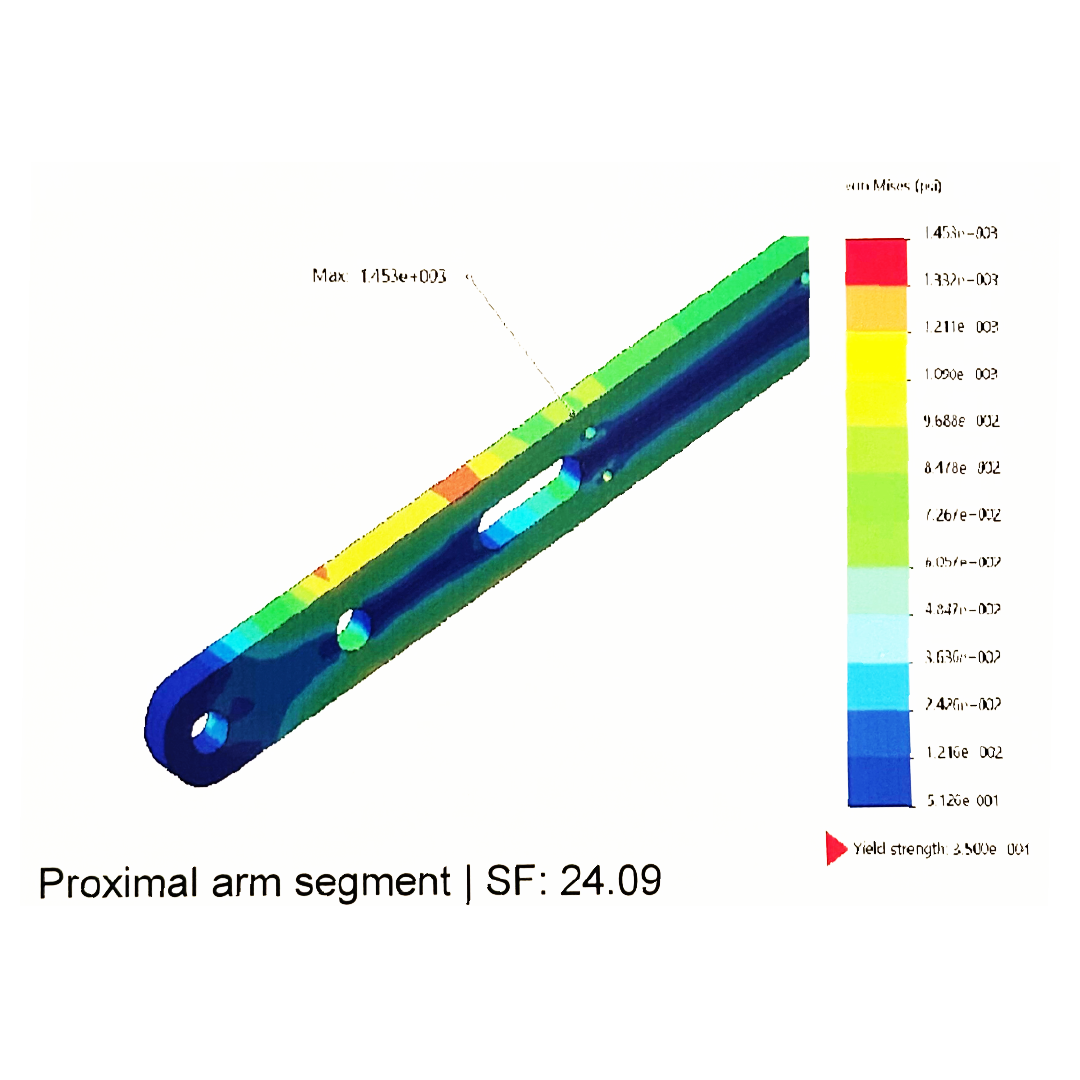
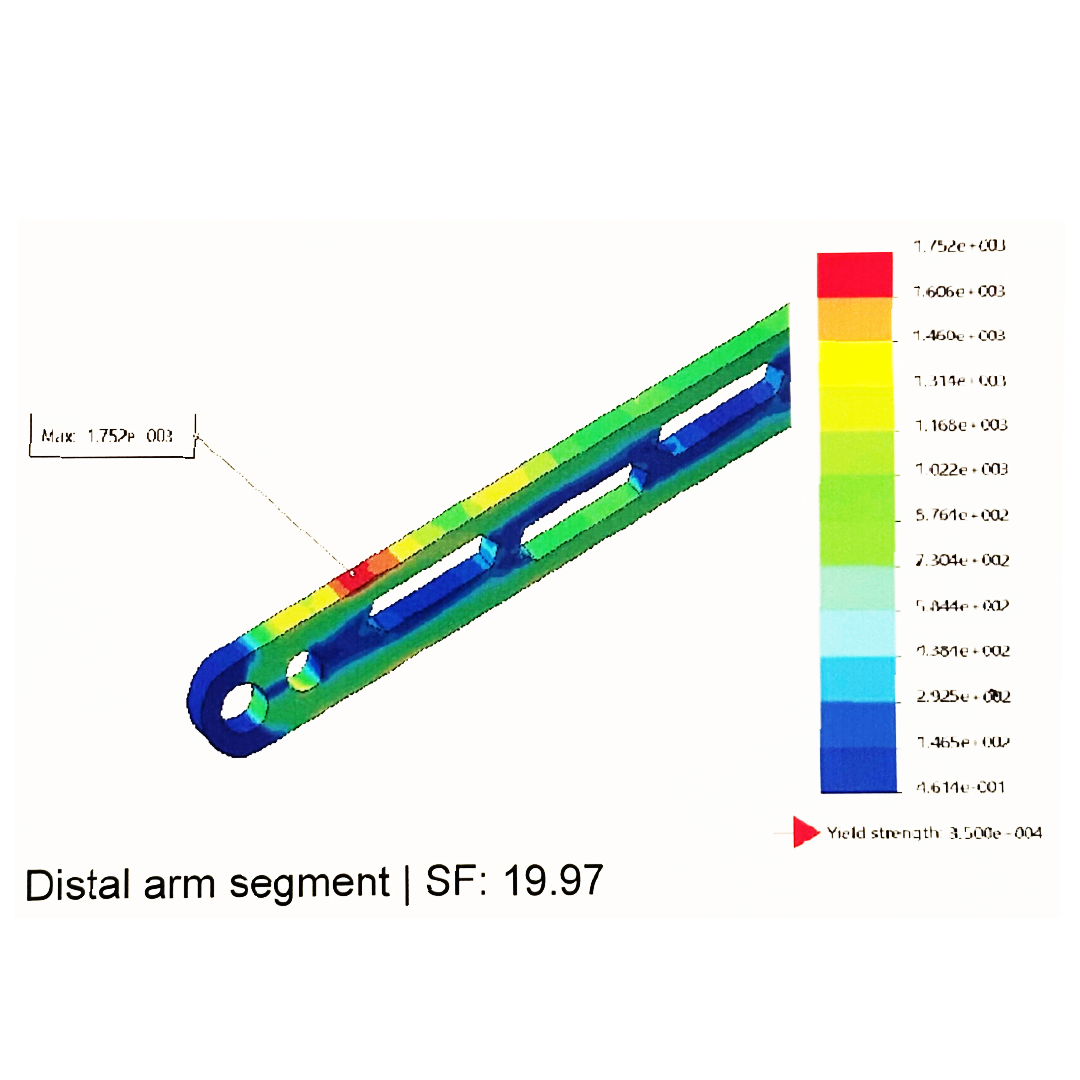
FEA of elbow bracket and proximal/distal arm segments.

Summary
A set of custom 3D-printed tools and mounts designed to improve safety, organization, and documentation in a screen printing studio.

Problem/Goal
The goal was to design lightweight, low-cost solutions that could manage airflow, workspace clutter, and process documentation—all within a tight physical footprint.

Approach
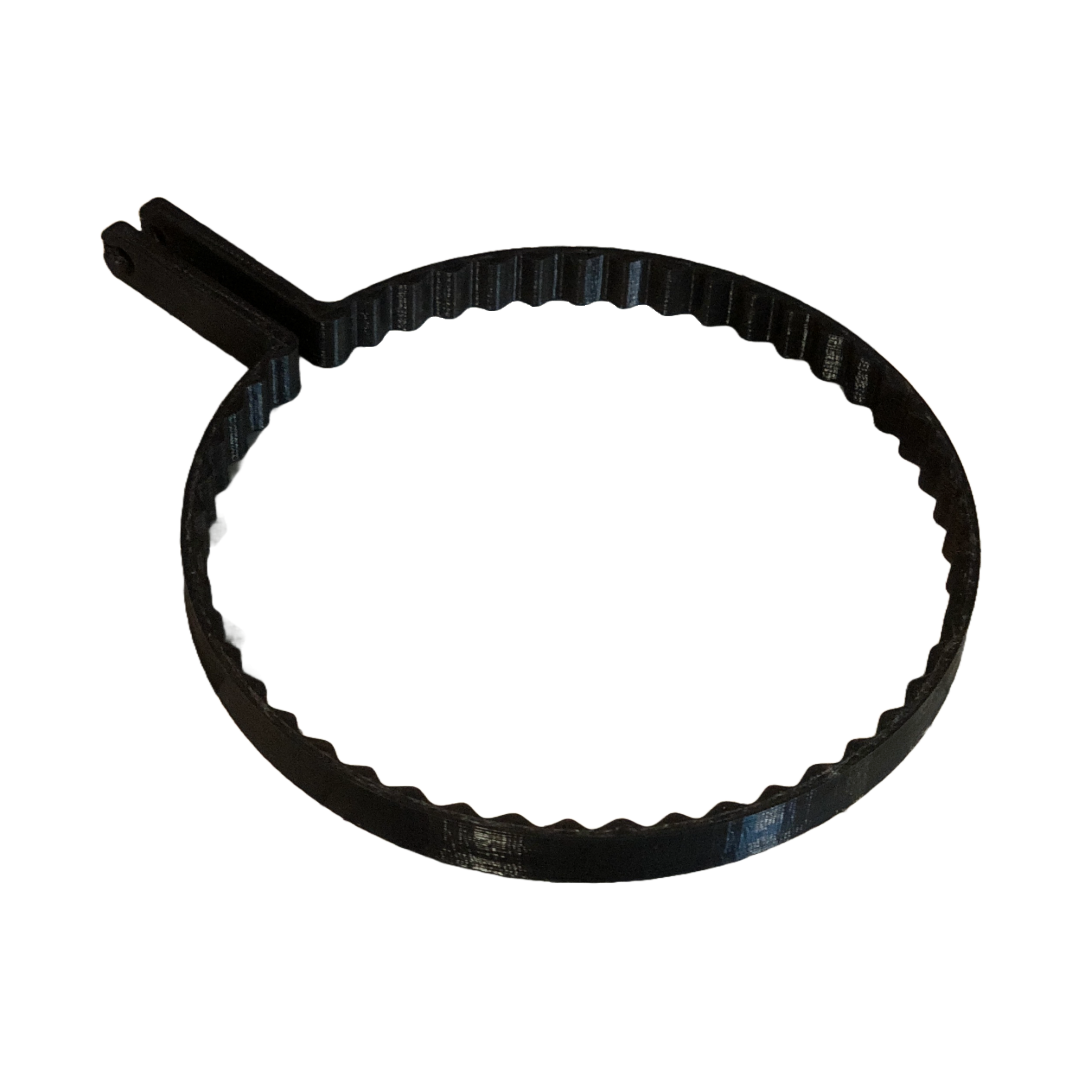
Each part was designed and fabricated using in-house 3D printing, tailoring components to the studio layout and workflow. This included a ventilation duct mount, a camera arm support, and several brackets to keep equipment organized.

Outcome
The printed parts have been in active use, improving ventilation efficiency and enabling consistent overhead process documentation.

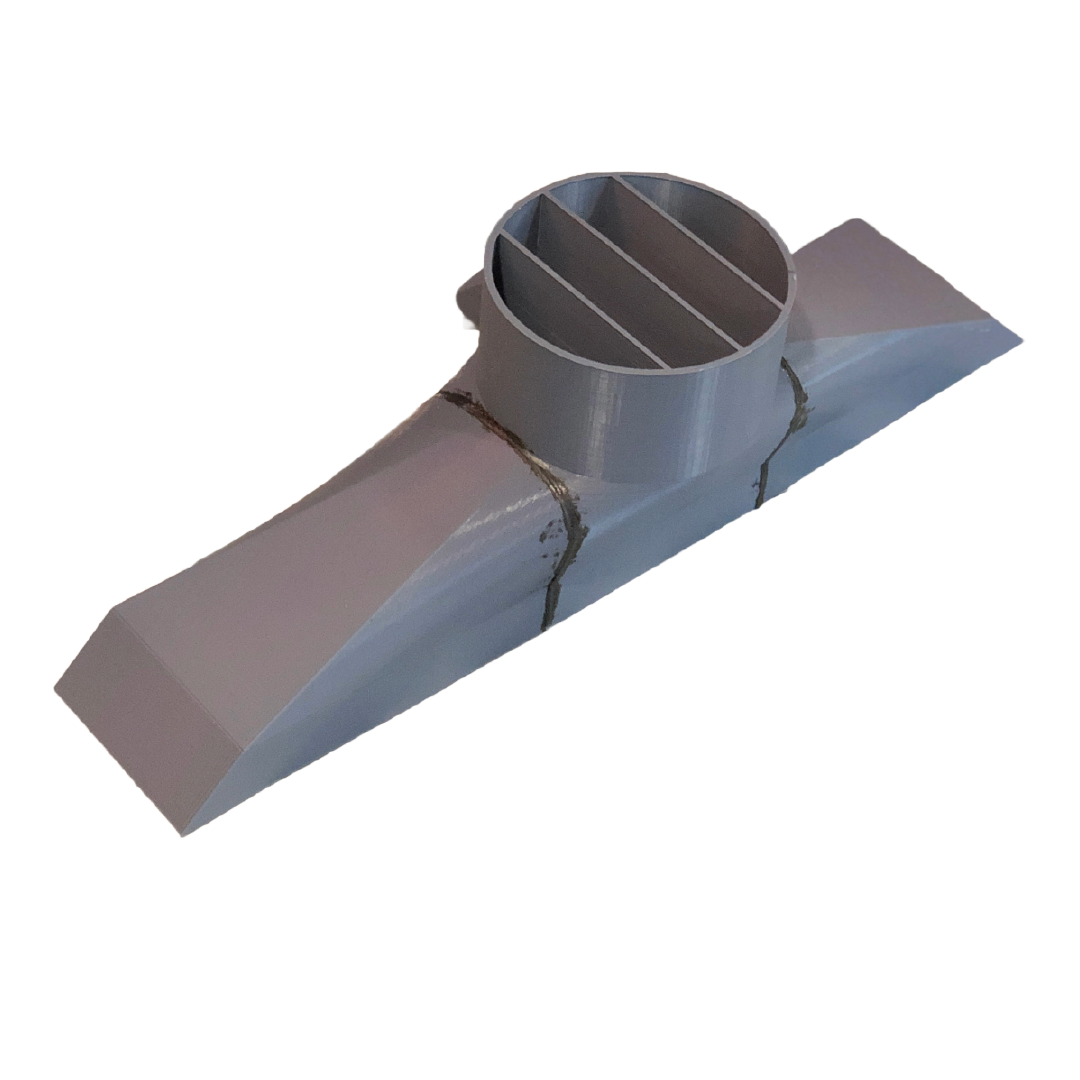
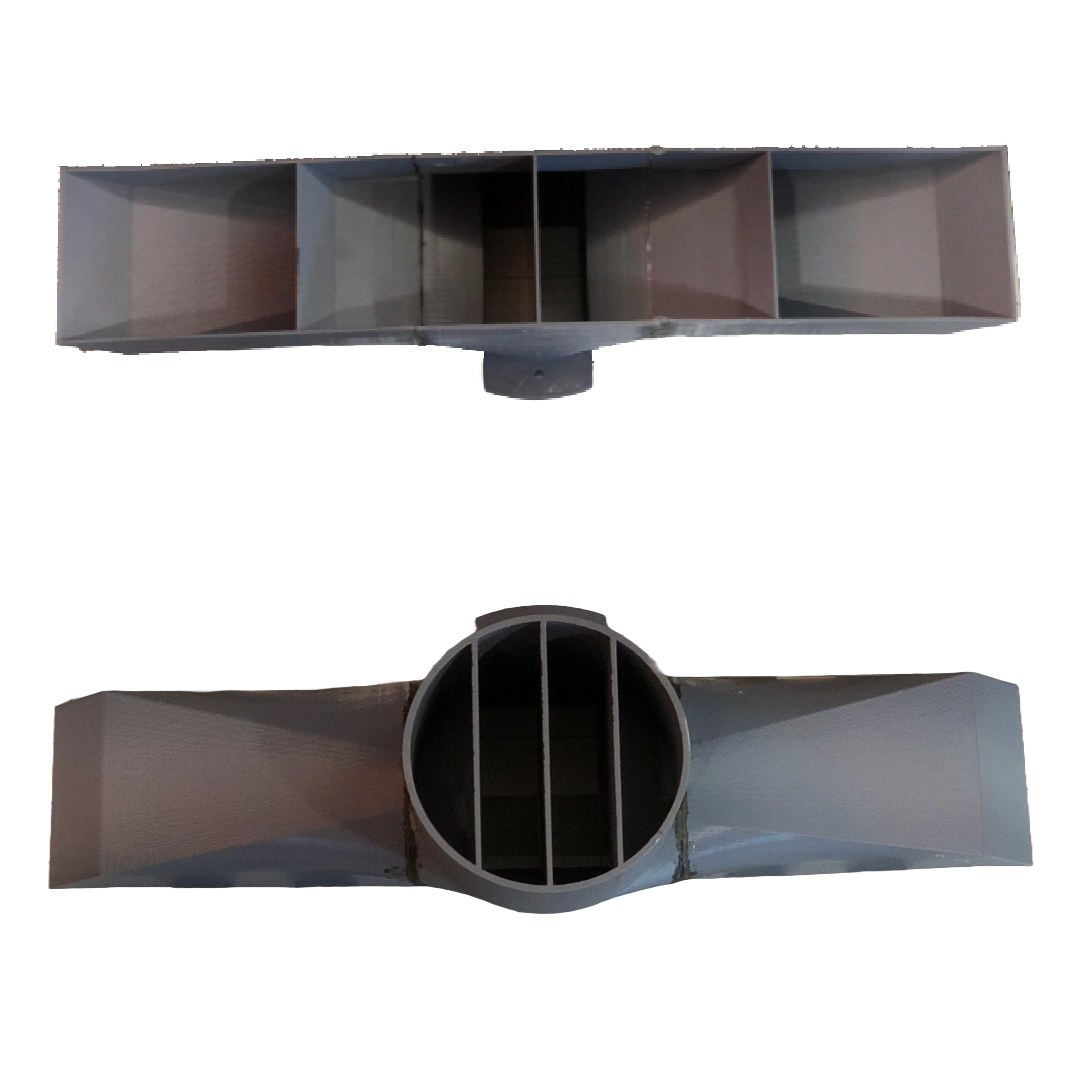
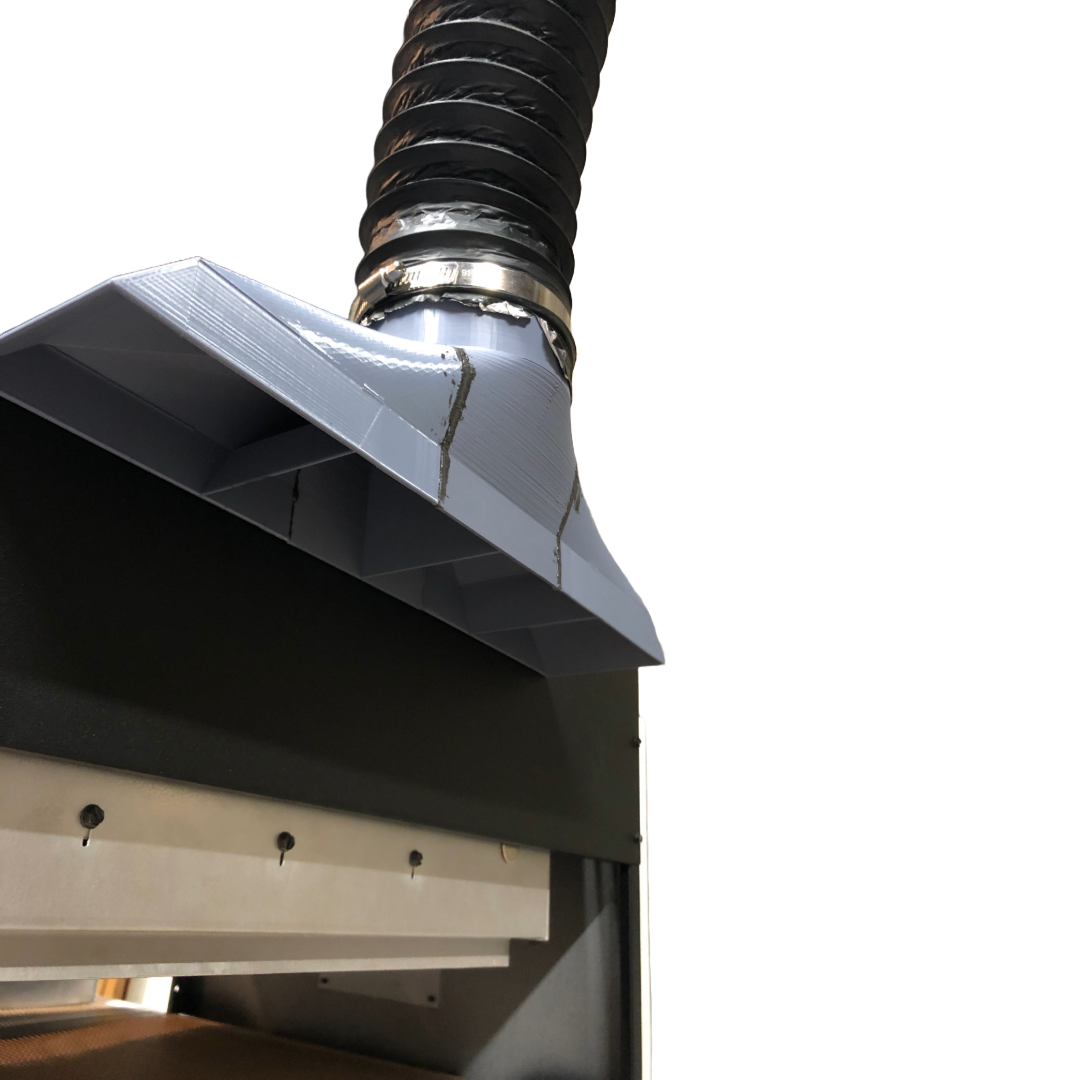
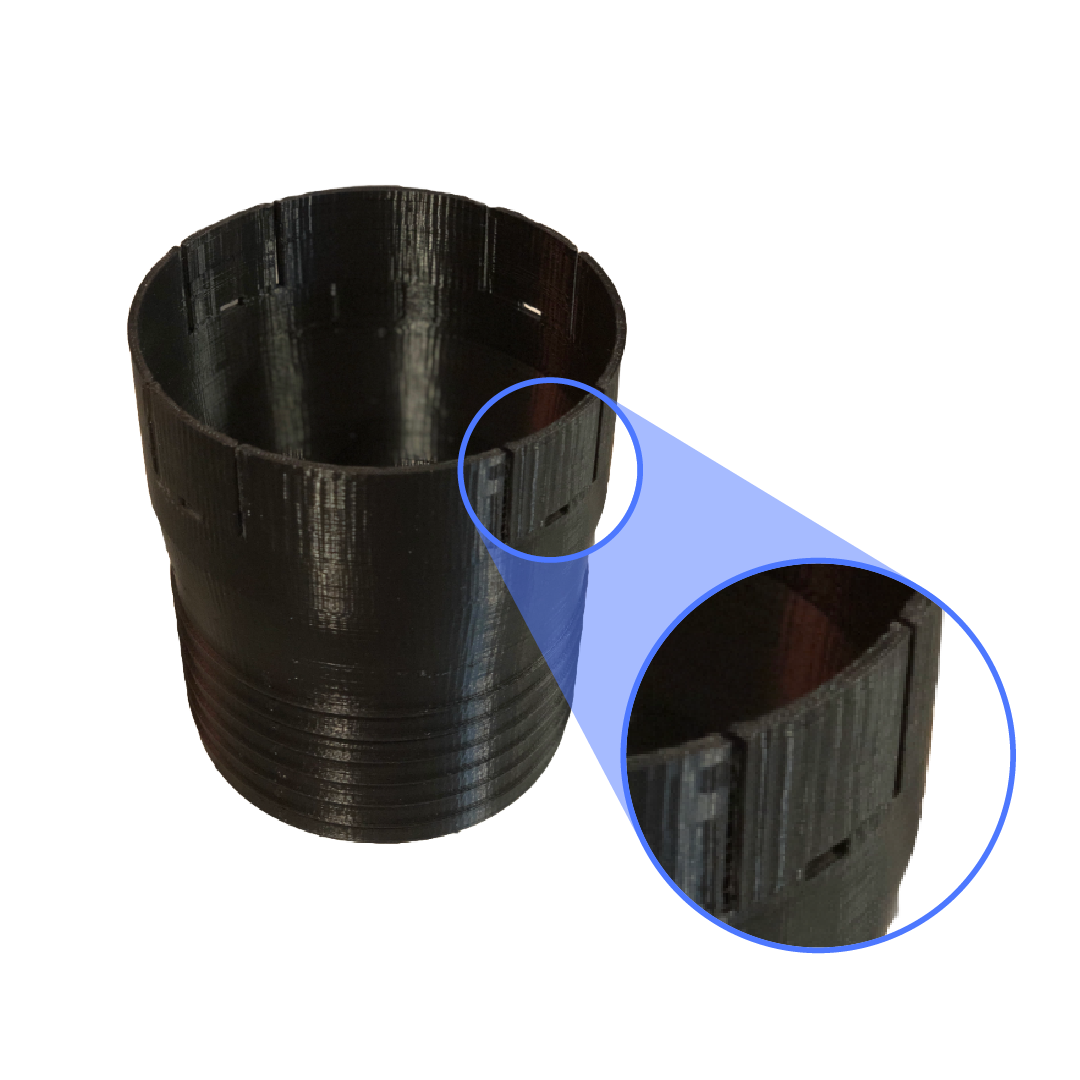
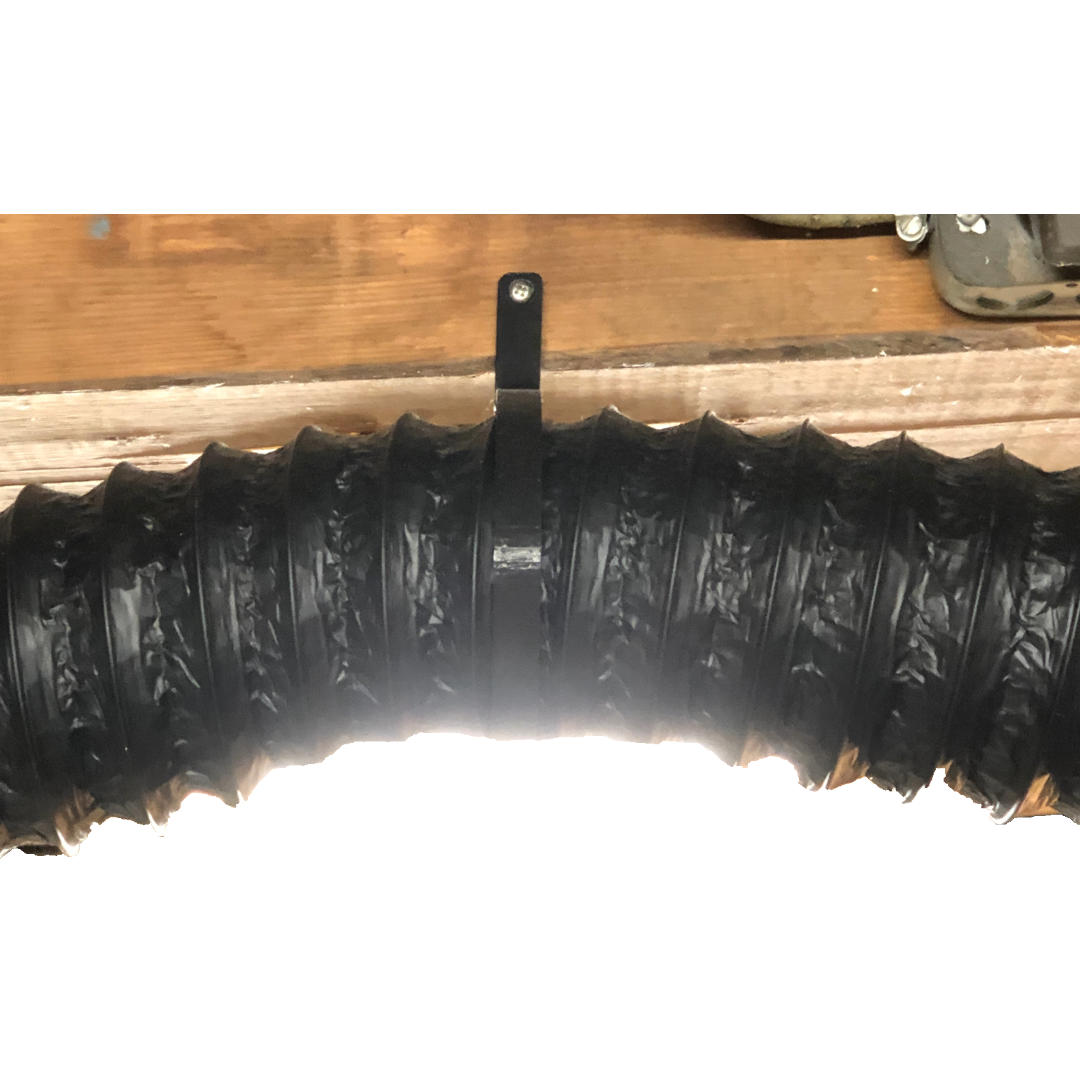
Ventilation intake positioned at the dryer outlet to capture and remove hazardous fumes released during curing.

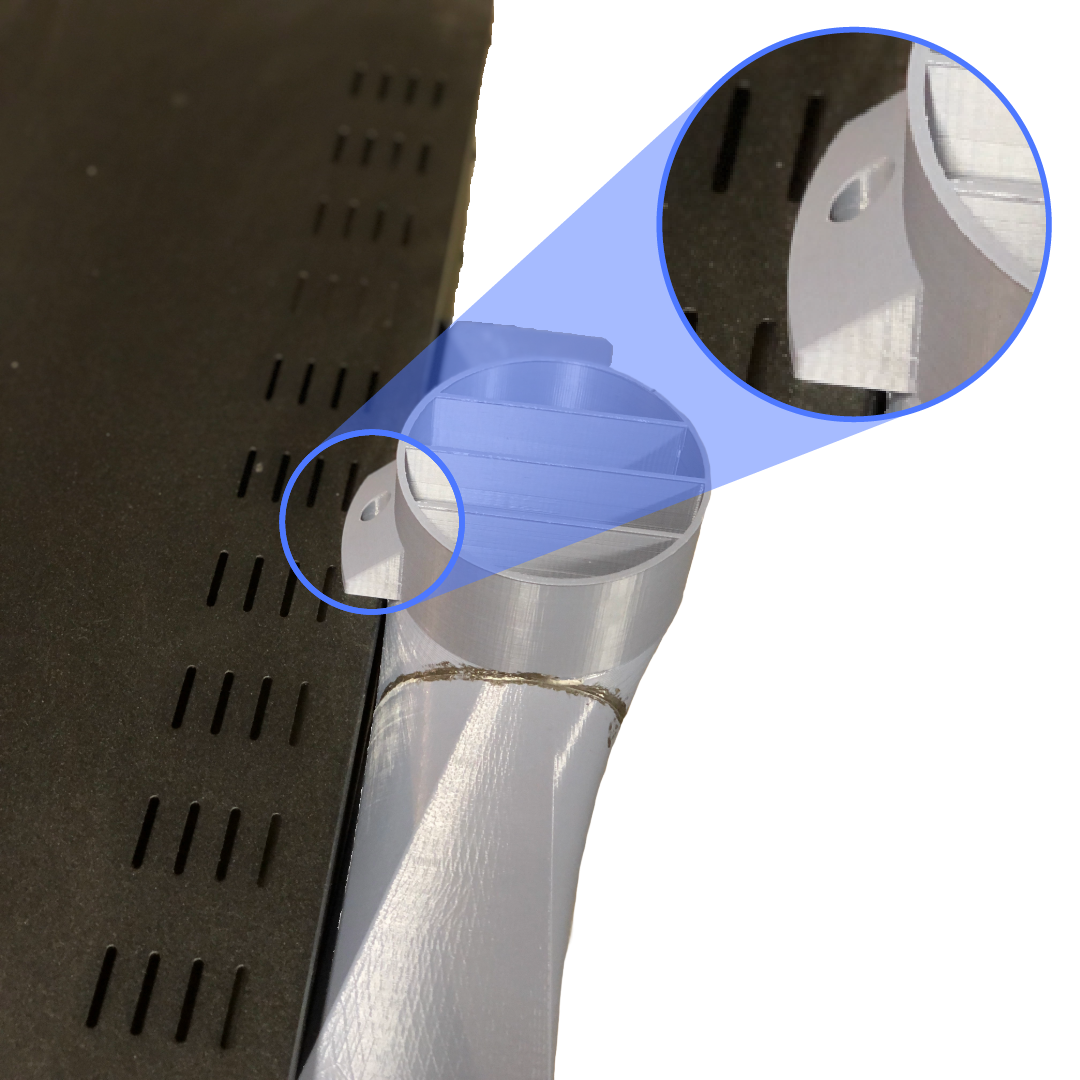
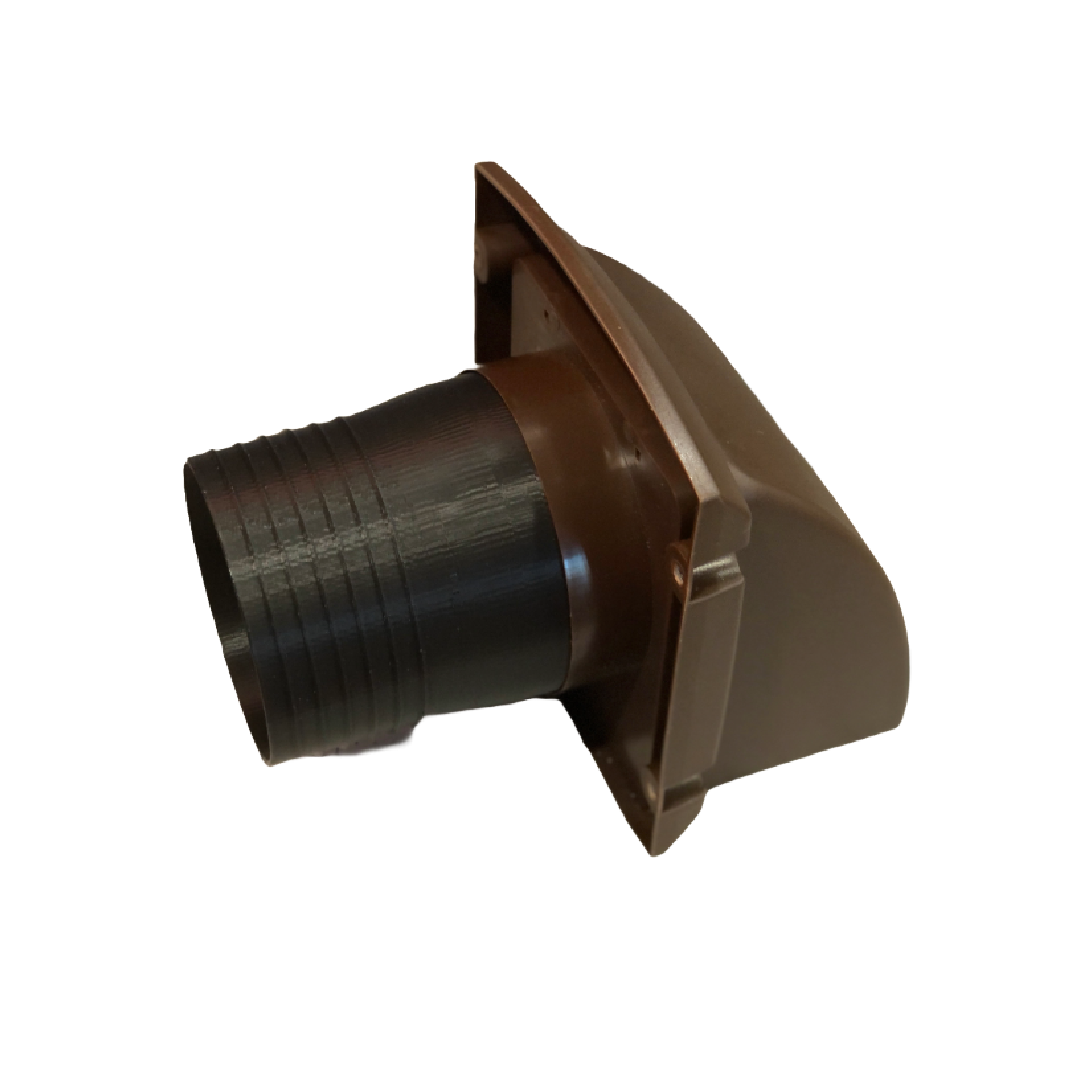
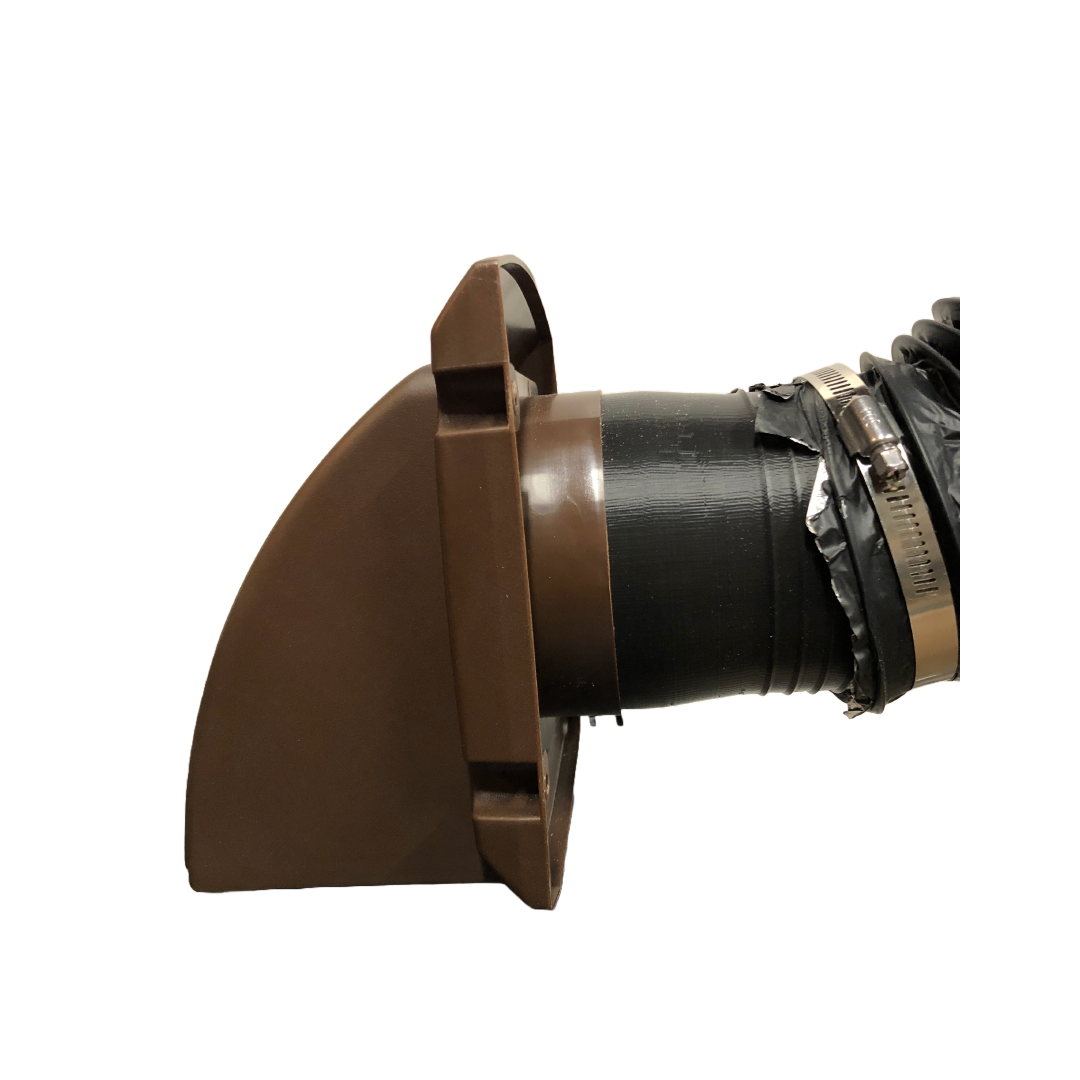
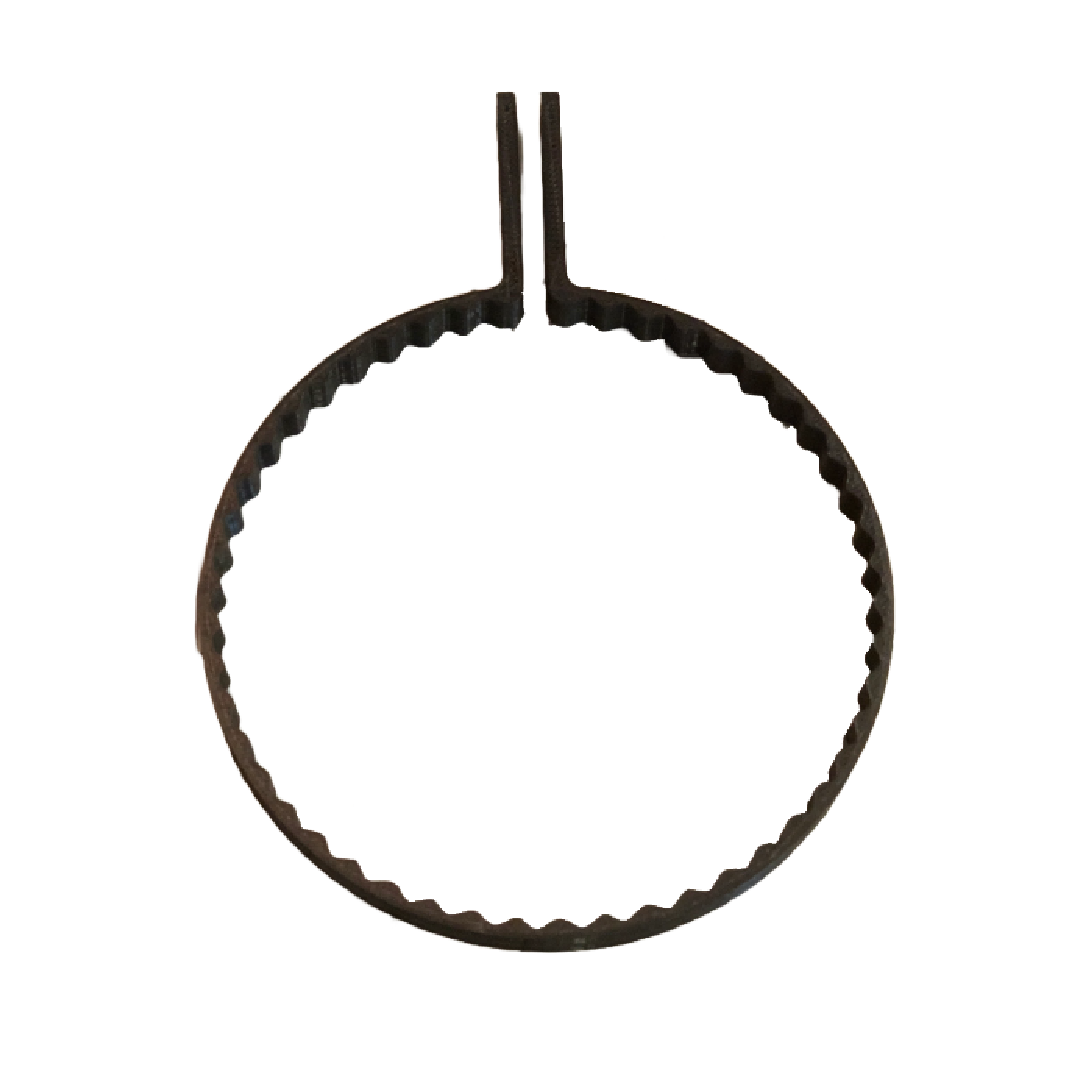
Duct-to-vent coupling with flexible connectors and a mounting bracket to keep the duct elevated and clear of workspace.

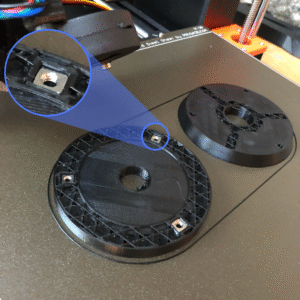
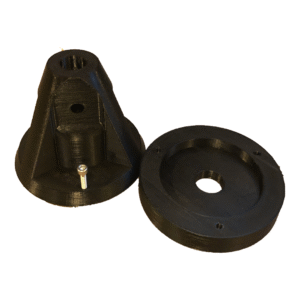
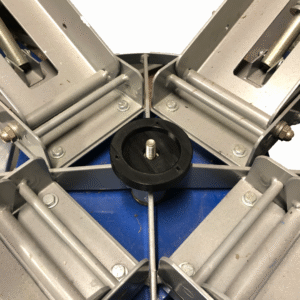
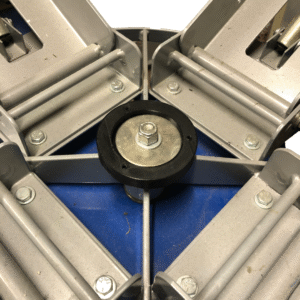
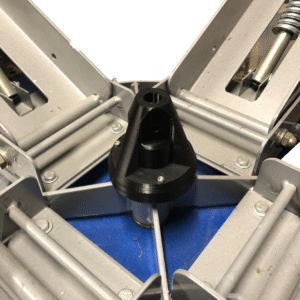
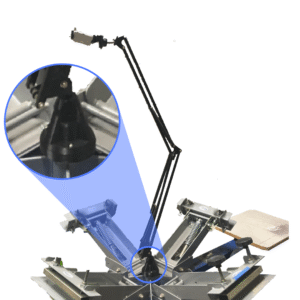
Custom mount for an overhead camera arm used to capture top-down process footage for marketing. Embedded hardware was integrated directly into the printed parts.

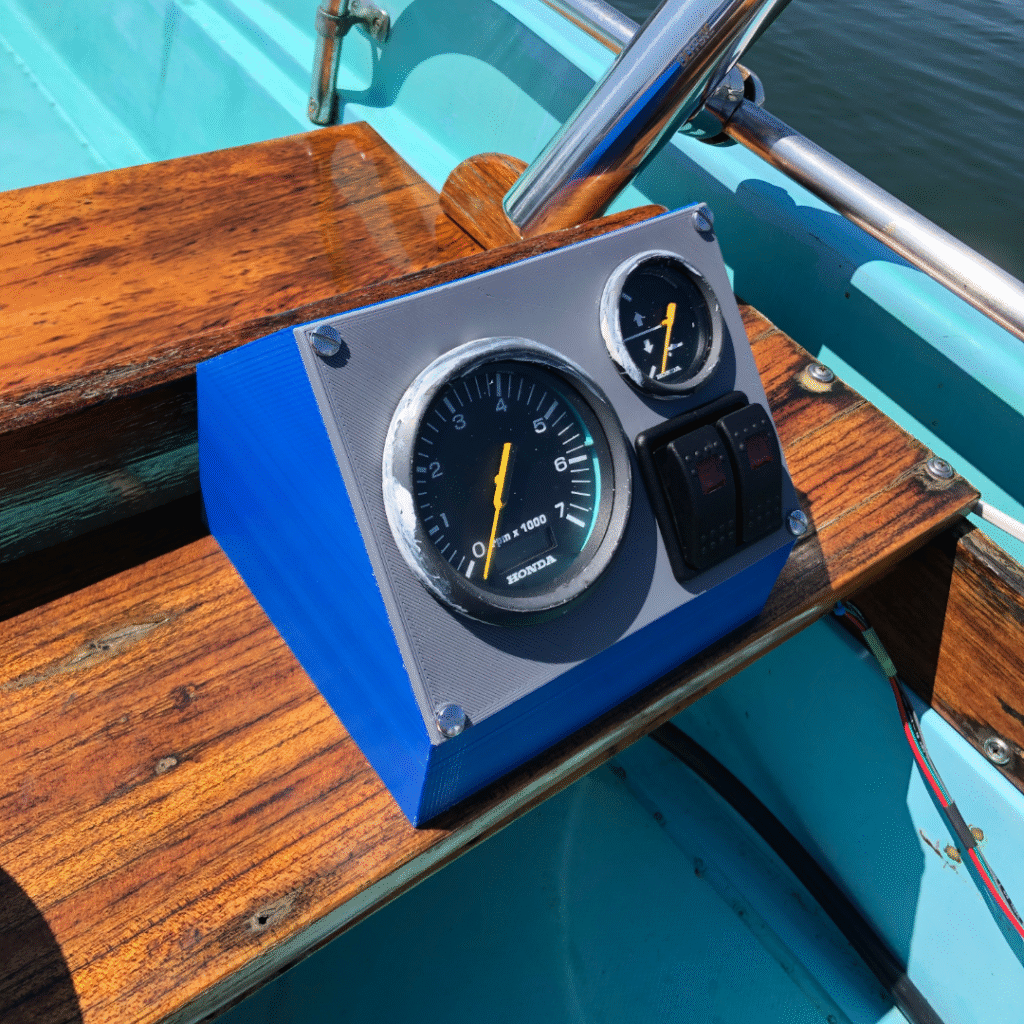
Custom 3D-printed gauge and switch housing for a 13-foot Boston Whaler.

The enclosure was designed to mount RPM and fuel gauges on the top face, along with switches for navigation lights and the bilge pump. Finished with a UV-resistant resin coating to withstand outdoor marine conditions.

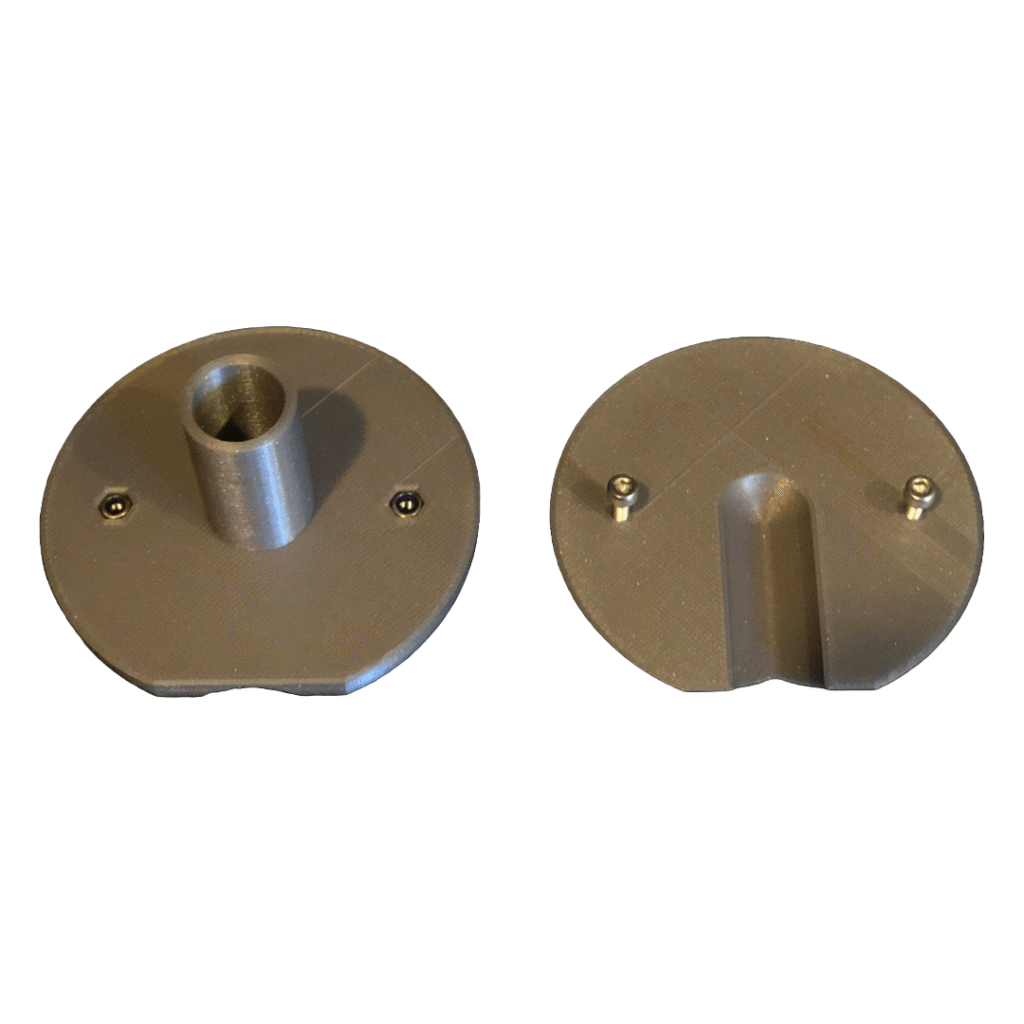
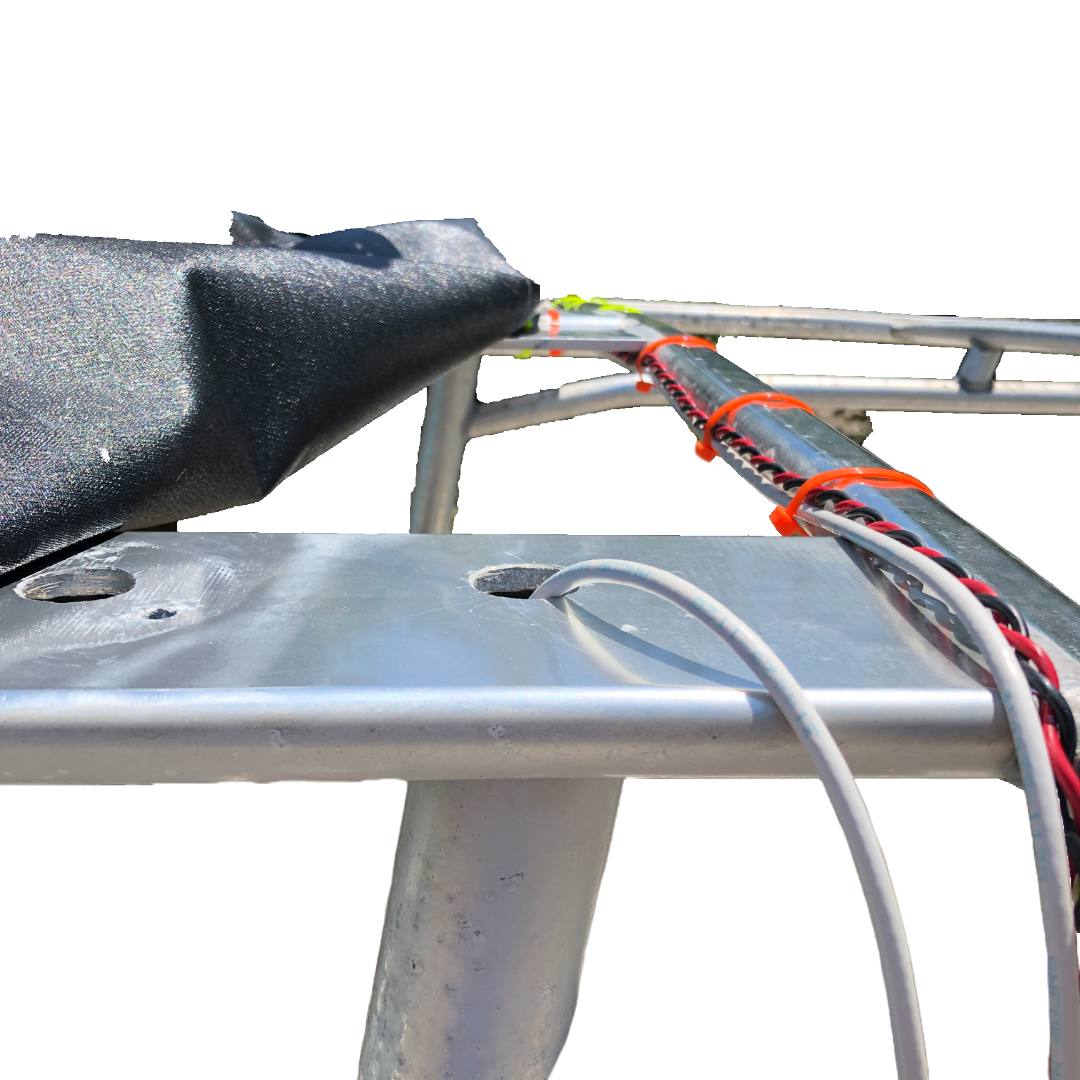
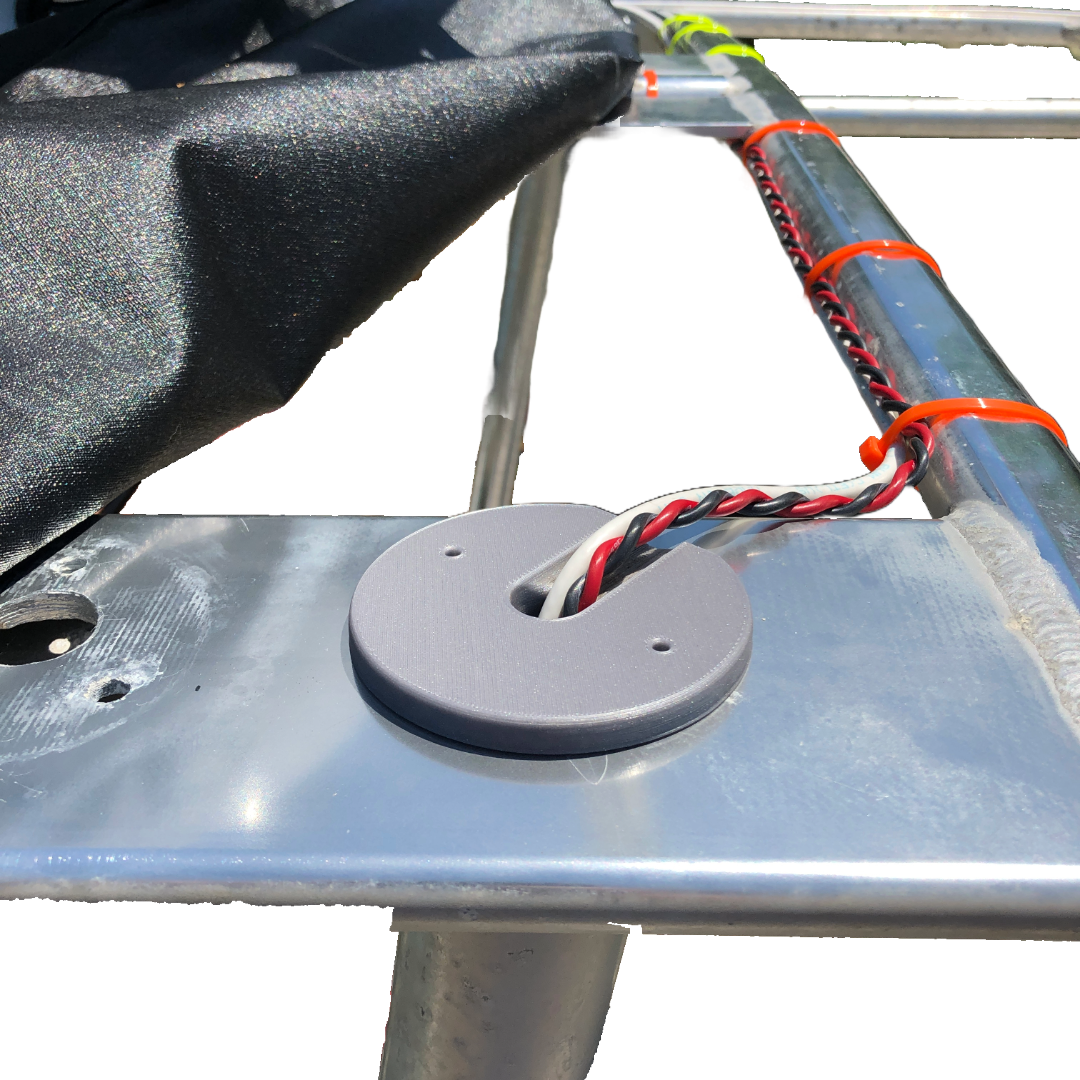
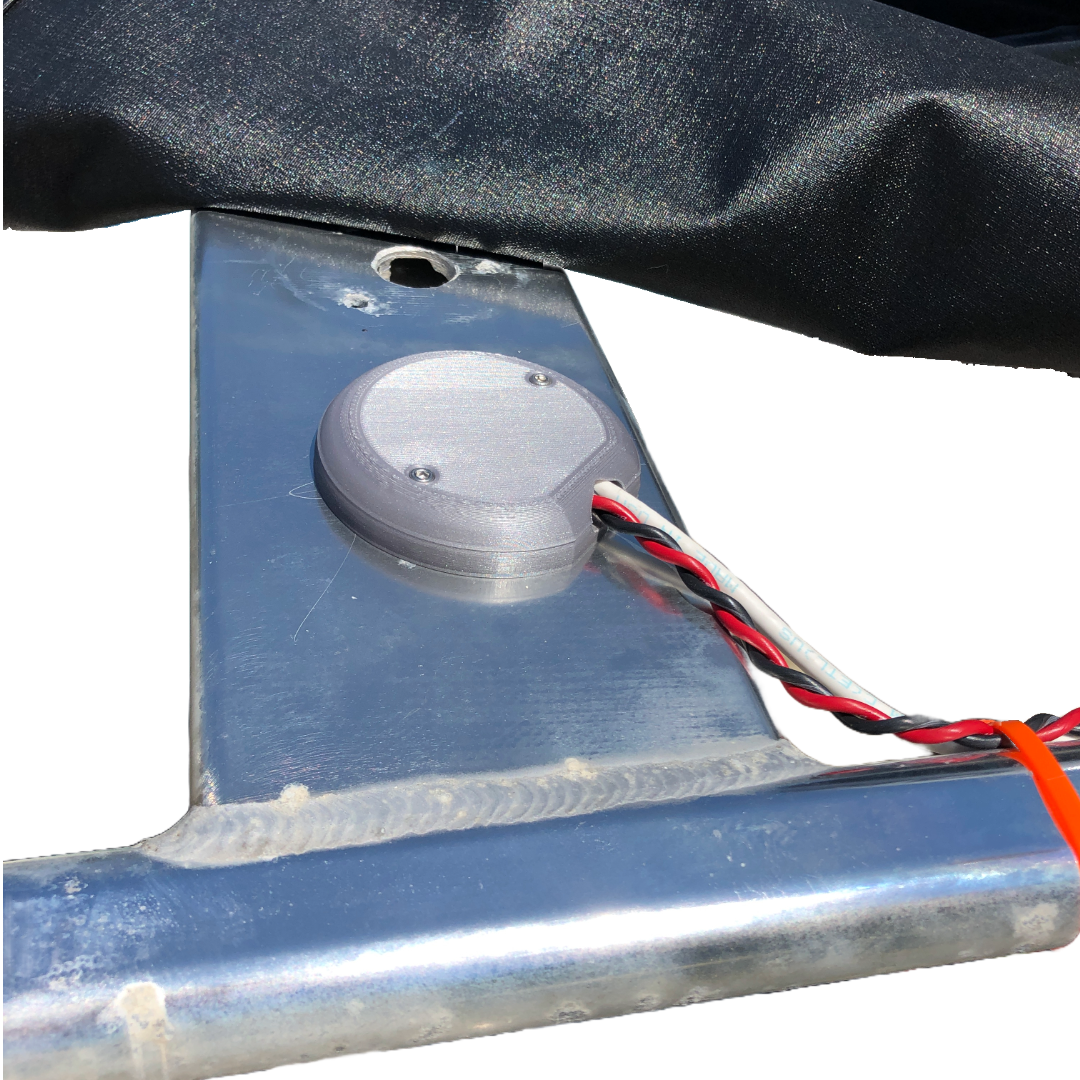
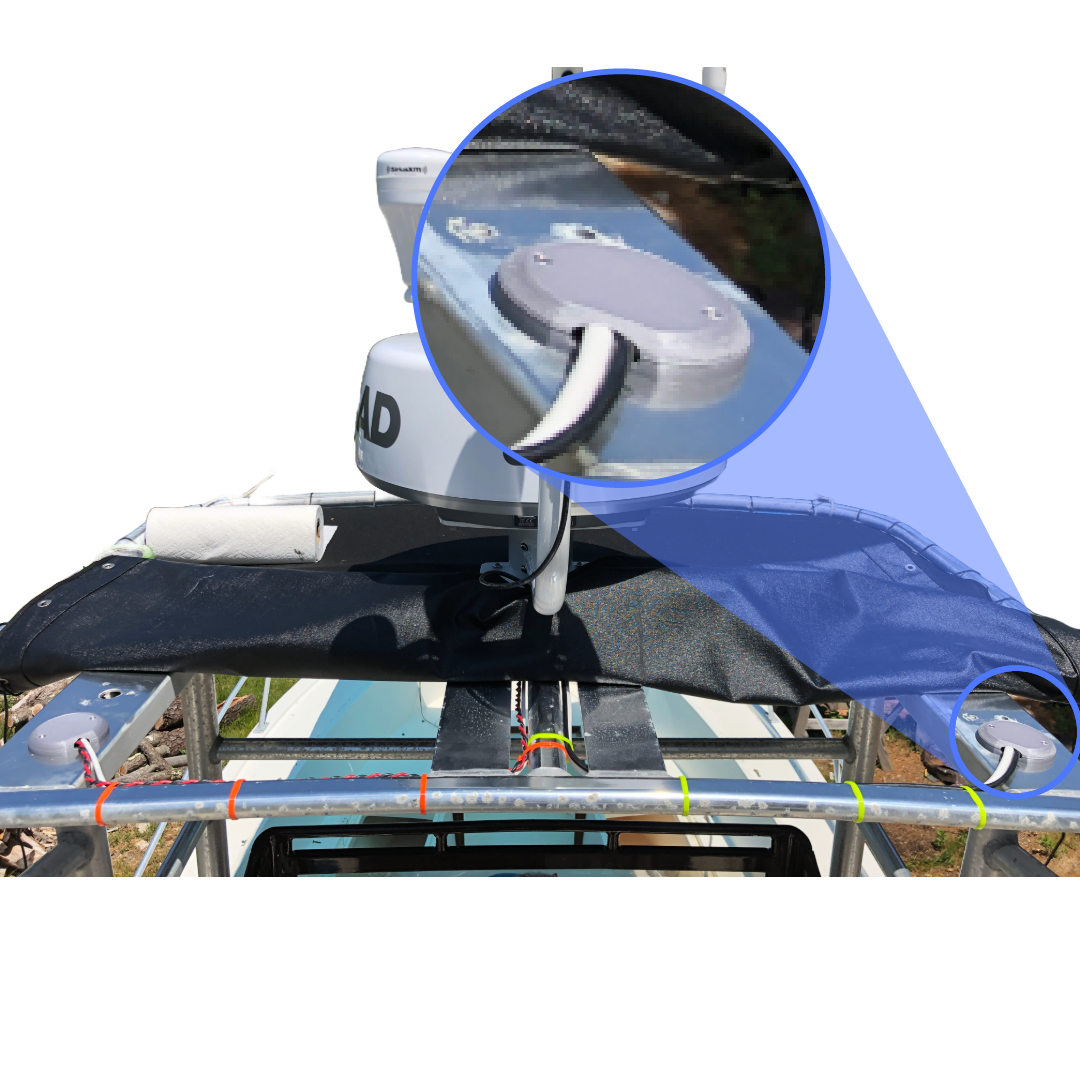
Two-piece 3D-printed wire router for floodlight wiring.

Designed to guide and secure wiring from the console through the T-top frame, the two-part design clamps tightly around the wires to prevent vibration-related wear while the boat is underway. The interior geometry smooths sharp corners to protect the wires, and embedded hardware allows for easy, secure installation.

Handheld Console Grip
Summary
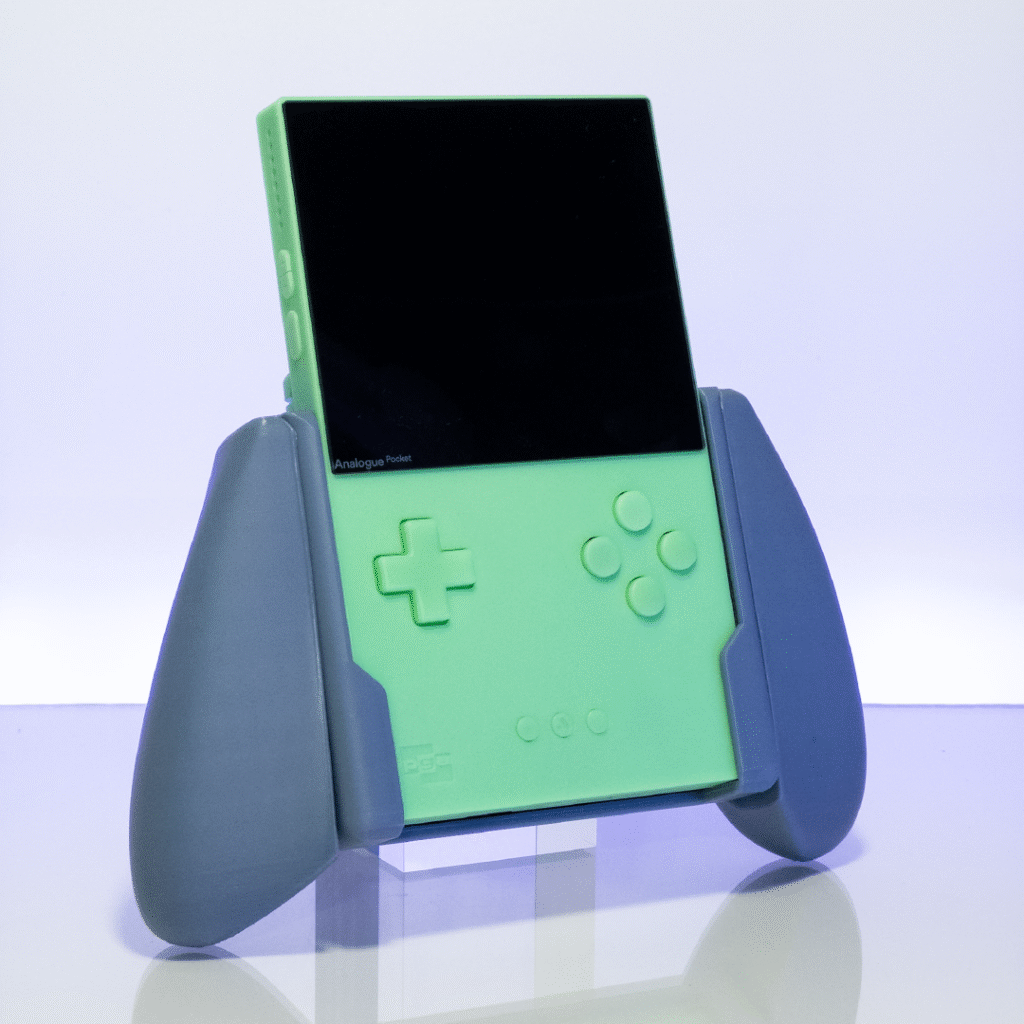
For this project I focused on designing ergonomic accessories for a handheld console to improve comfort and usability.

Problem/Goal
Handheld consoles can be uncomfortable to hold for extended play. My goal was to create a grip that could alleviate this issue by offering improved ergonomics based on the designs of popular controllers.

Approach
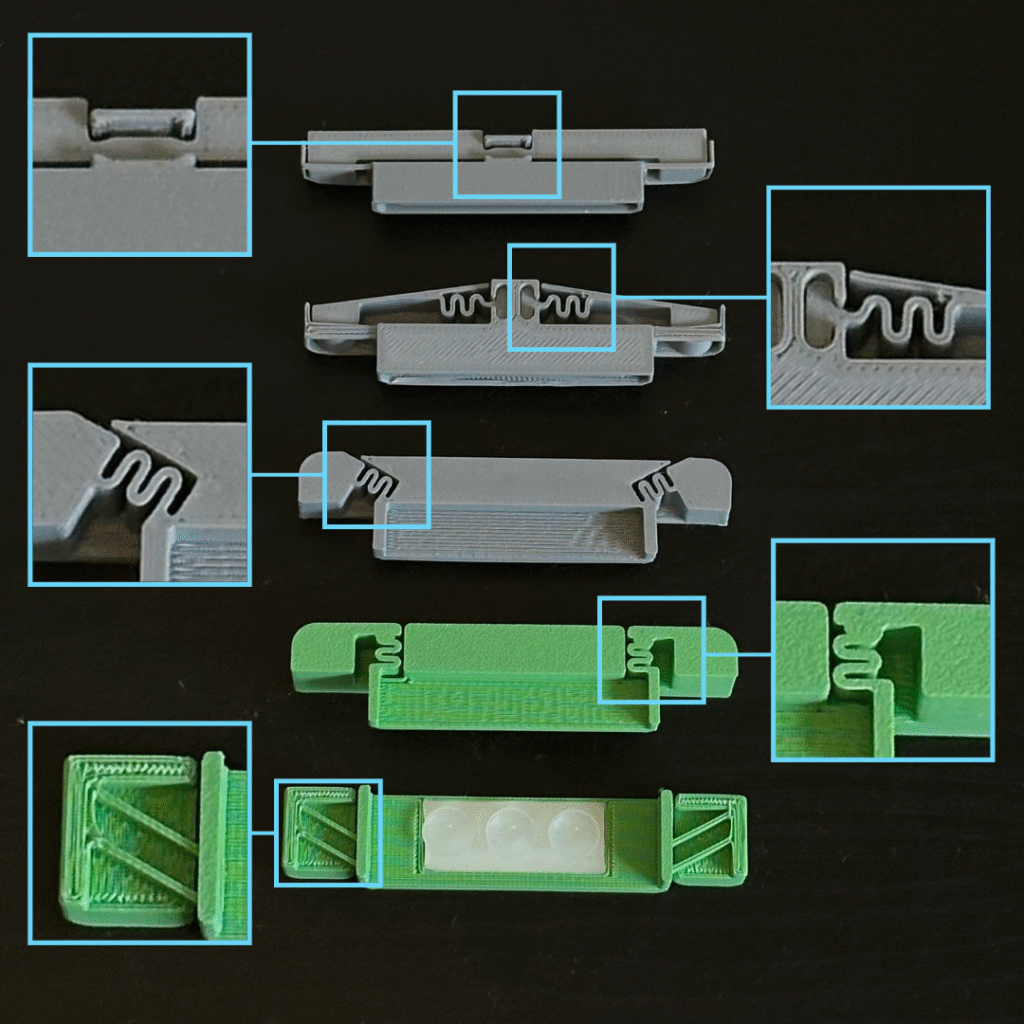
I used 3D scan data of popular controller designs as well as creating a digital model of the handheld console. Using this CAD data I designed several iterations of a combined grip. For the bumper buttons I developed several compliant mechanism designs to replicate the spring resistance found in traditional controller buttons. I used FDM 3D printers to rapidly iterate between designs and ultimately to produce the final versions.

Outcome
The final grip and modified bumper buttons have received positive feedback from initial testers and customers.

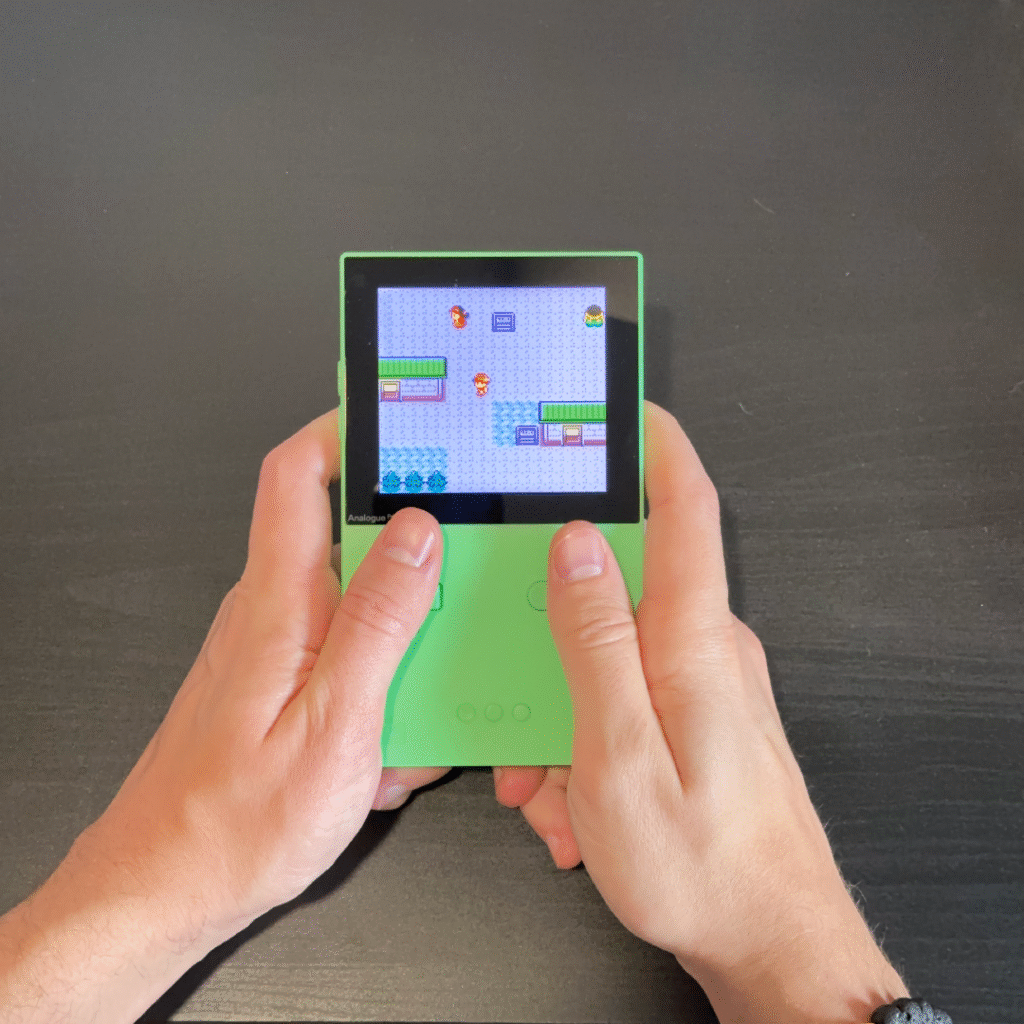
(Left image): Handheld console without a grip:

  • Fingers are curled tightly around edges
  • Wrists are bent backwards
  • Palms are poorly supported

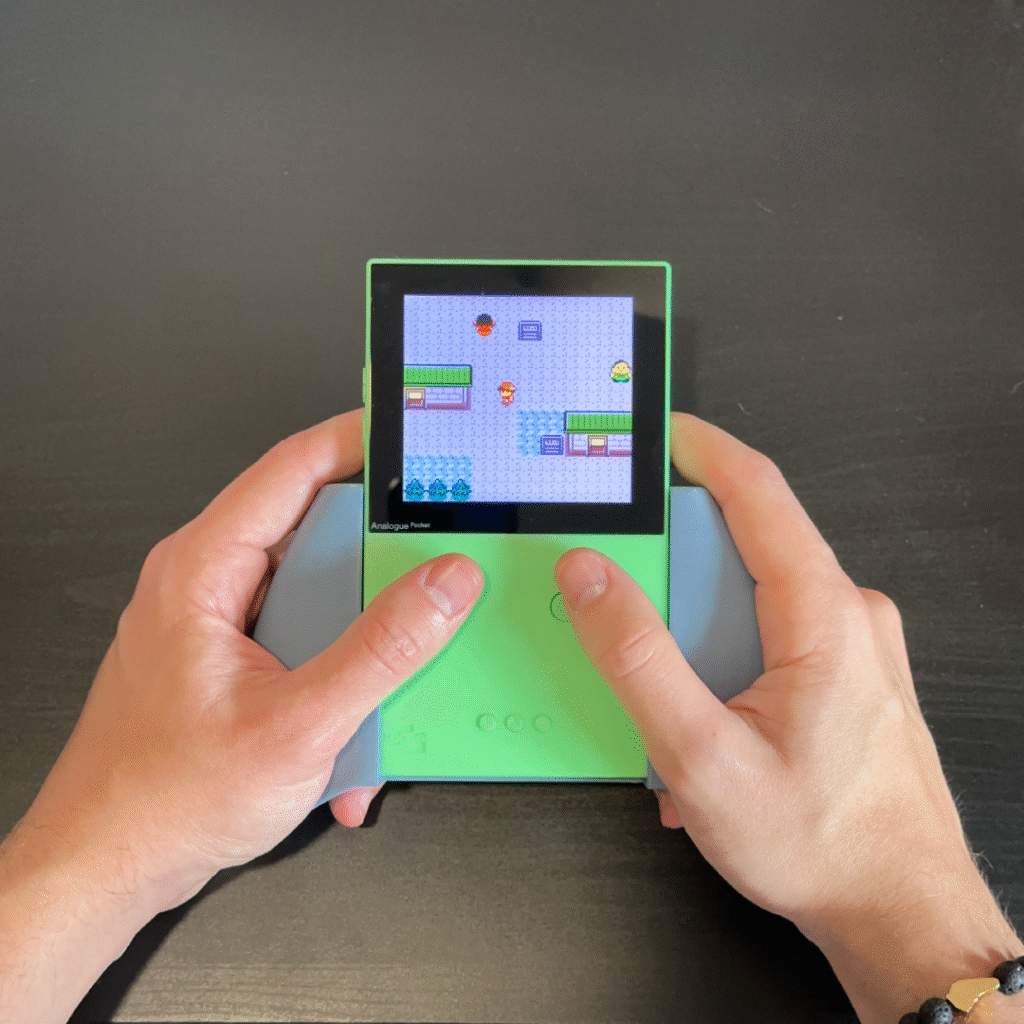
(Right image): Ergonomics when used with the 3D printed grip:

  • Wrists resting in a more natural position
  • Larger surface area supports palm
  • Fingers have natural access to buttons


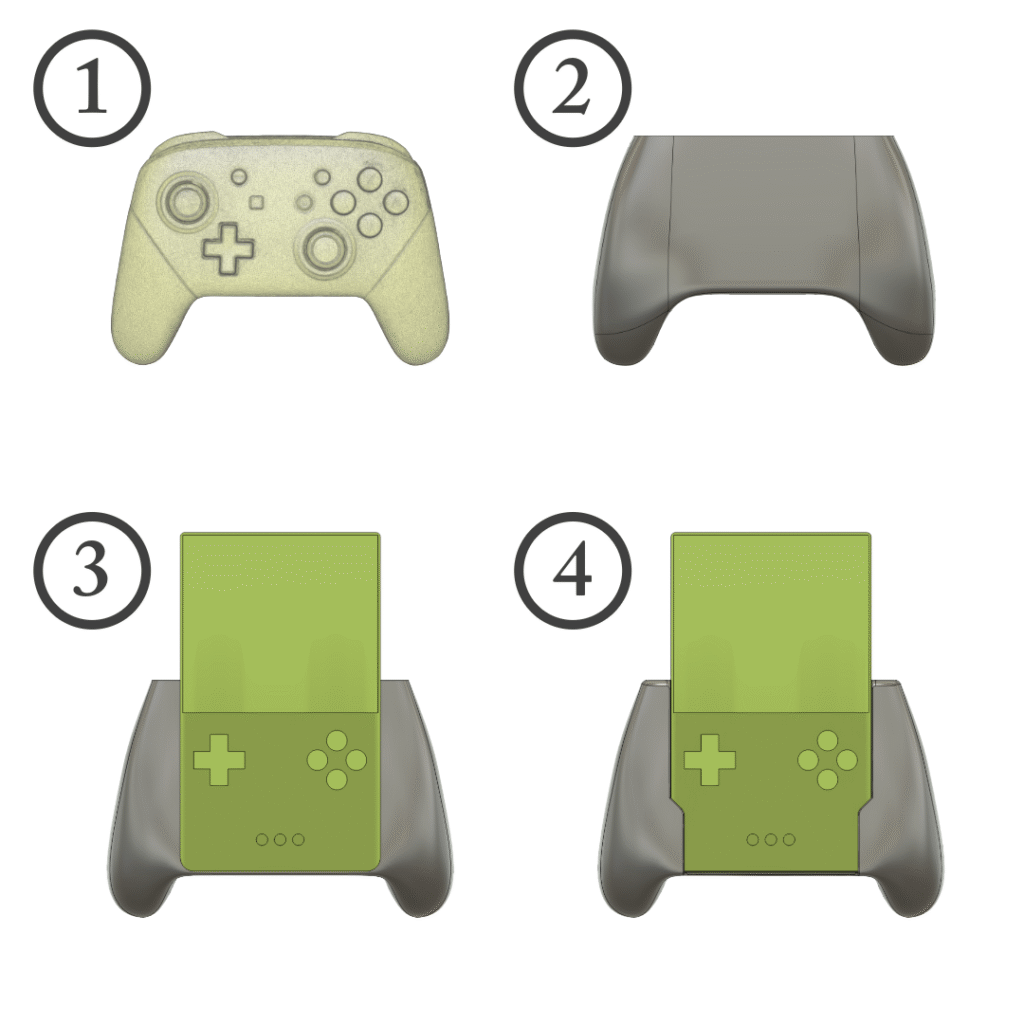
(Left image): Design process takes 3D scan data of controller to create base model, and combines with 3D model of console.


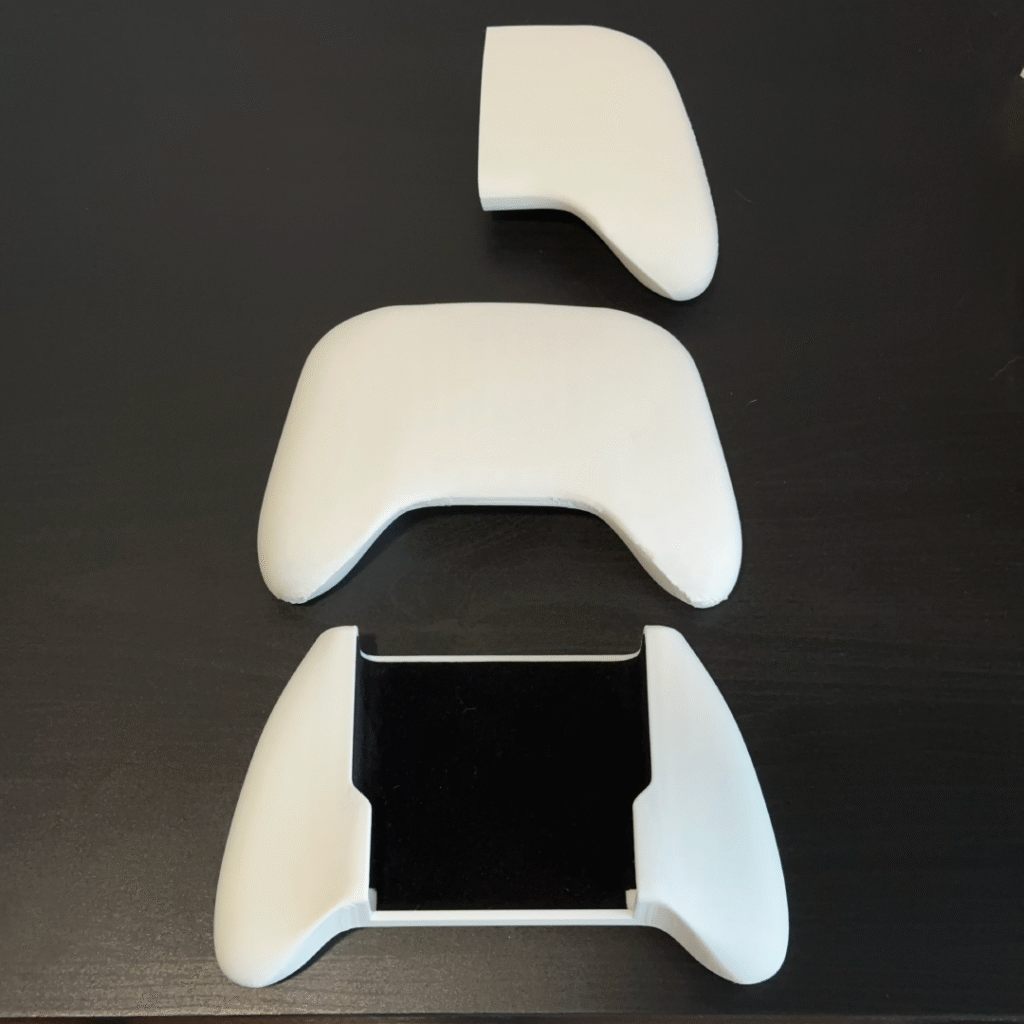
(Right image): 3D prints of each iteration created as design was refined and modified.

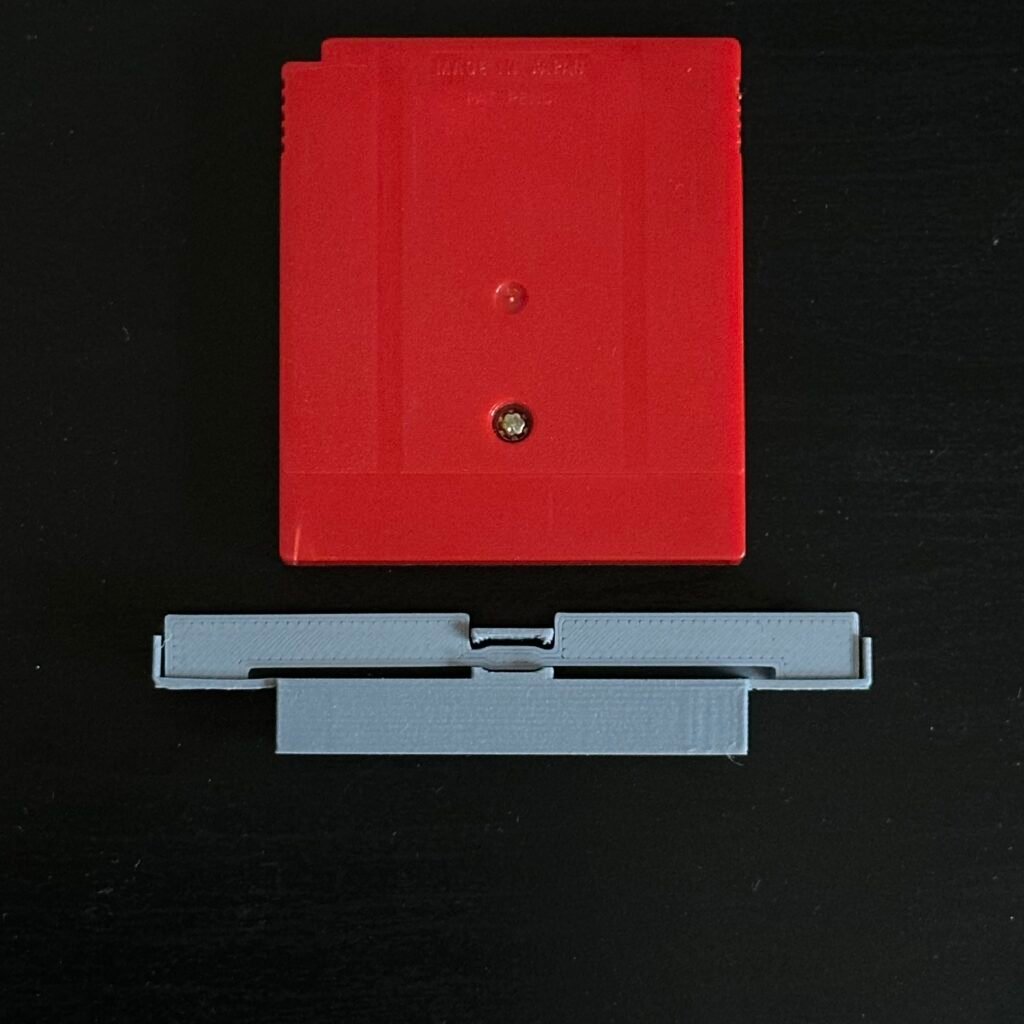
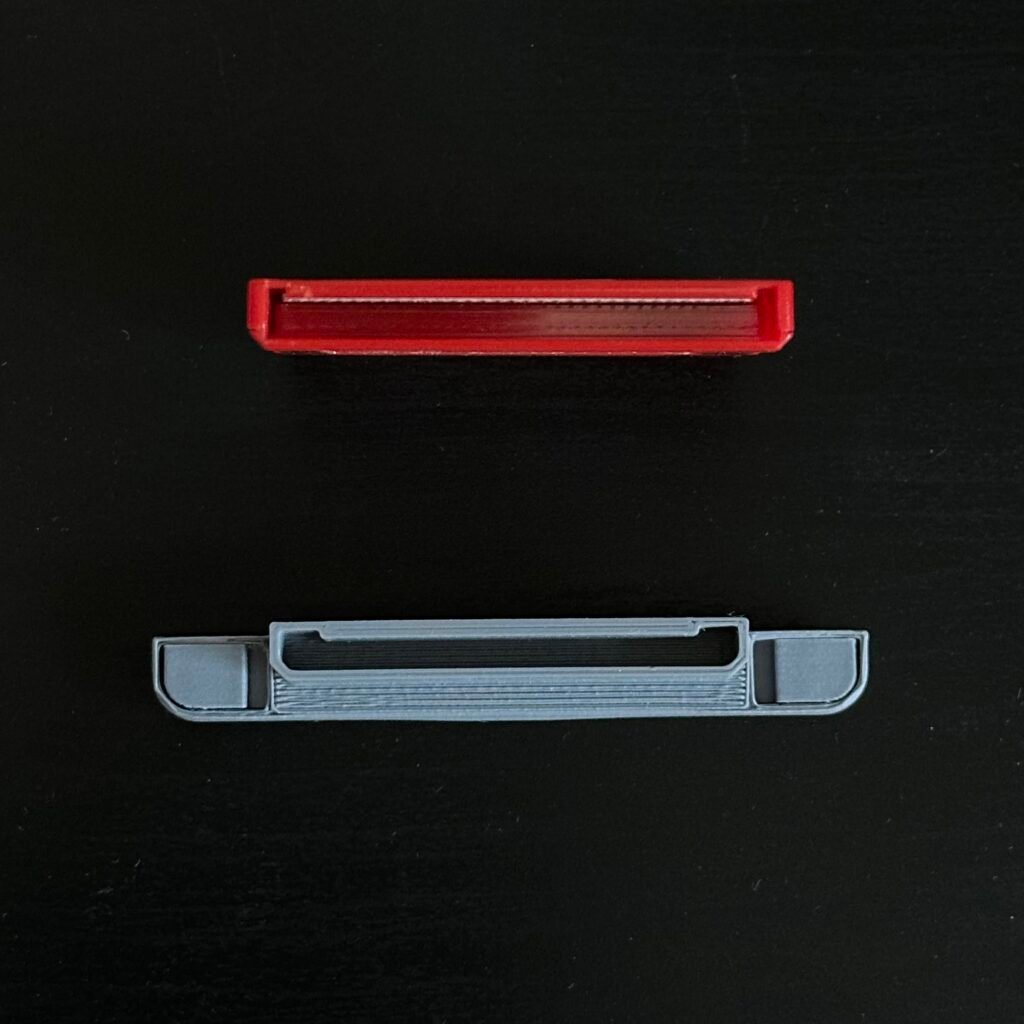
Game cartridge design used as base for modified bumper button insert. This allows for easy use of the modified button attachment using existing features on the handheld console.


(Left image): The modified bumper insert underwent five design iterations (earliest at top, most recent at bottom).


Each design was tested for its ability to effectively press the button as well as comfort for the user.


Design tests are shown in videos below.

Bumper Button - Standalone Tests

Bumper Button - Device Integration Tests

Summary
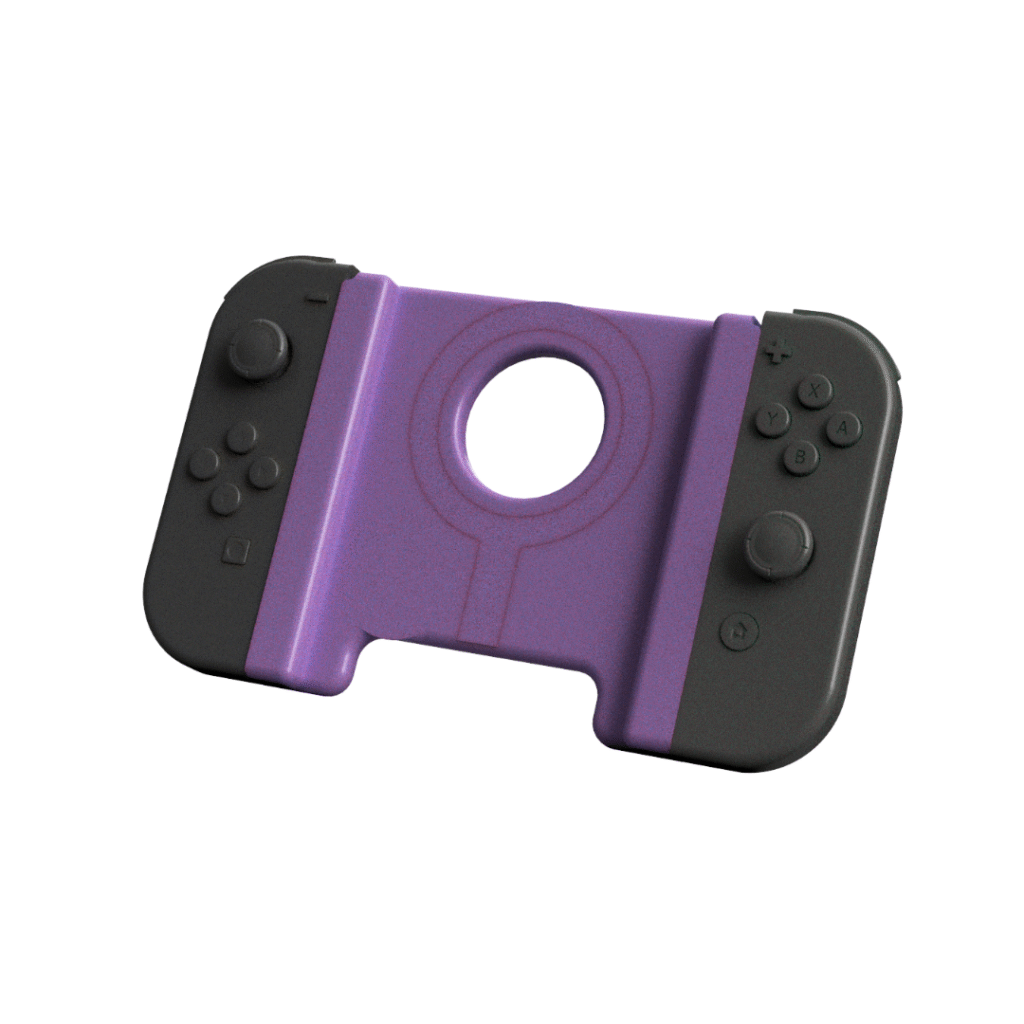
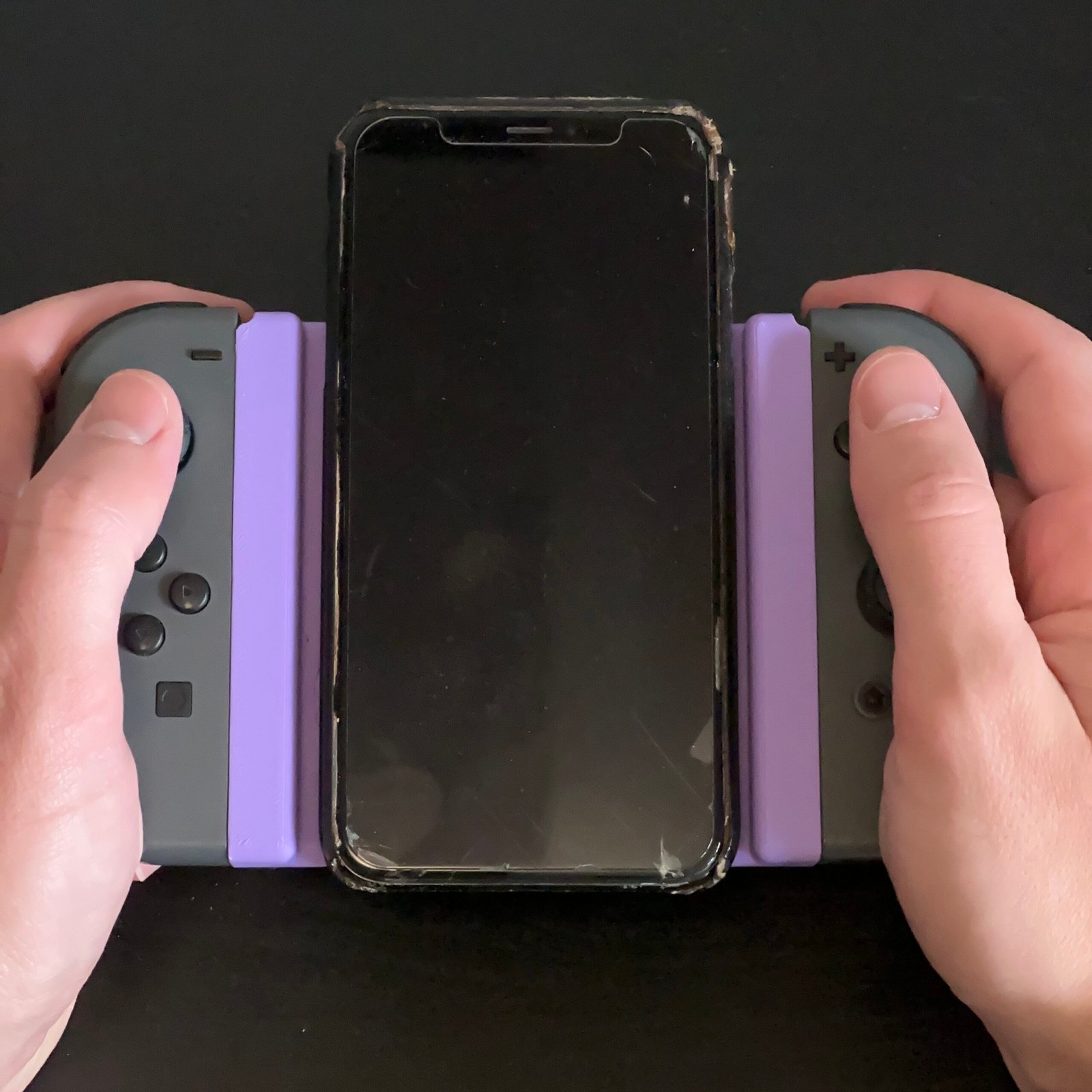
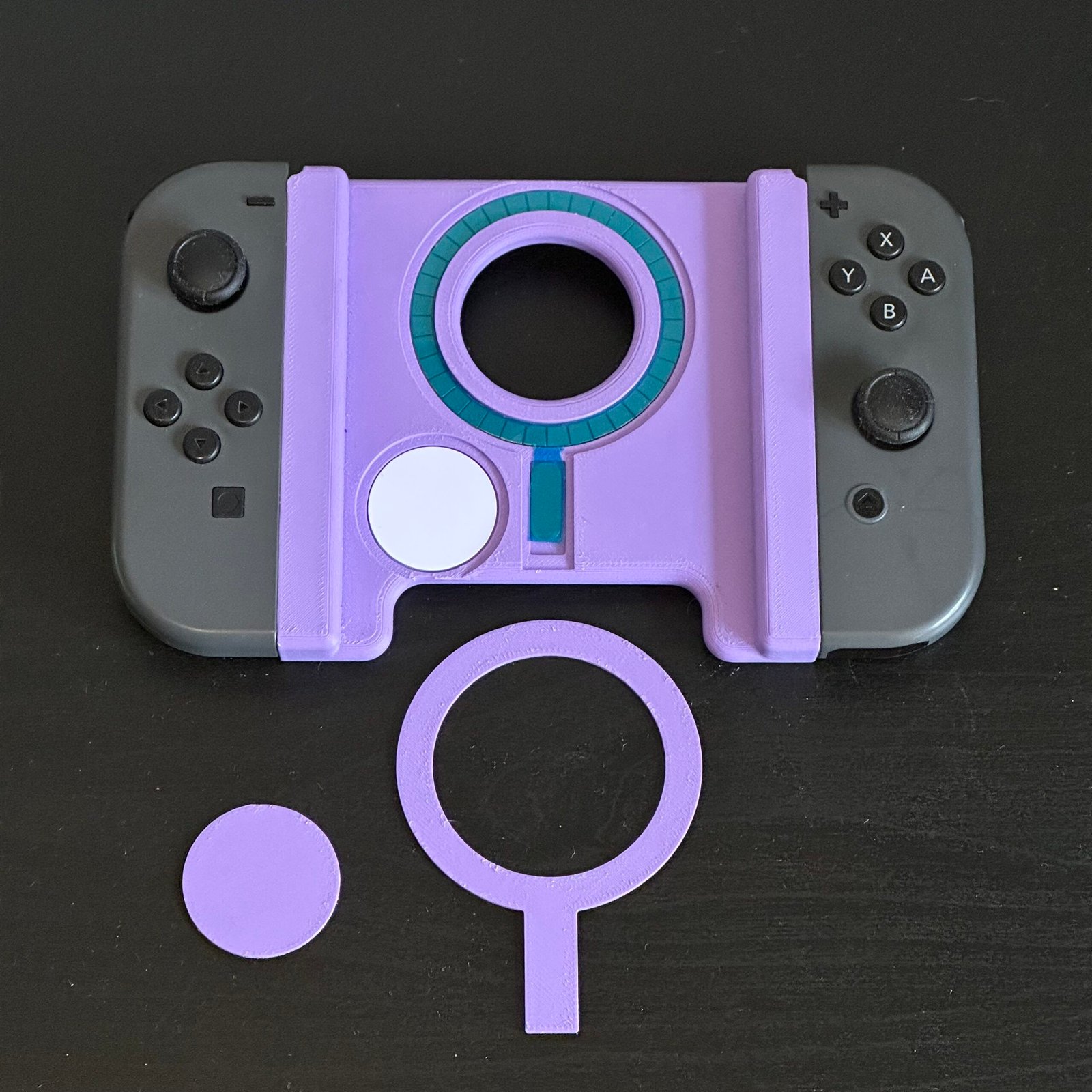
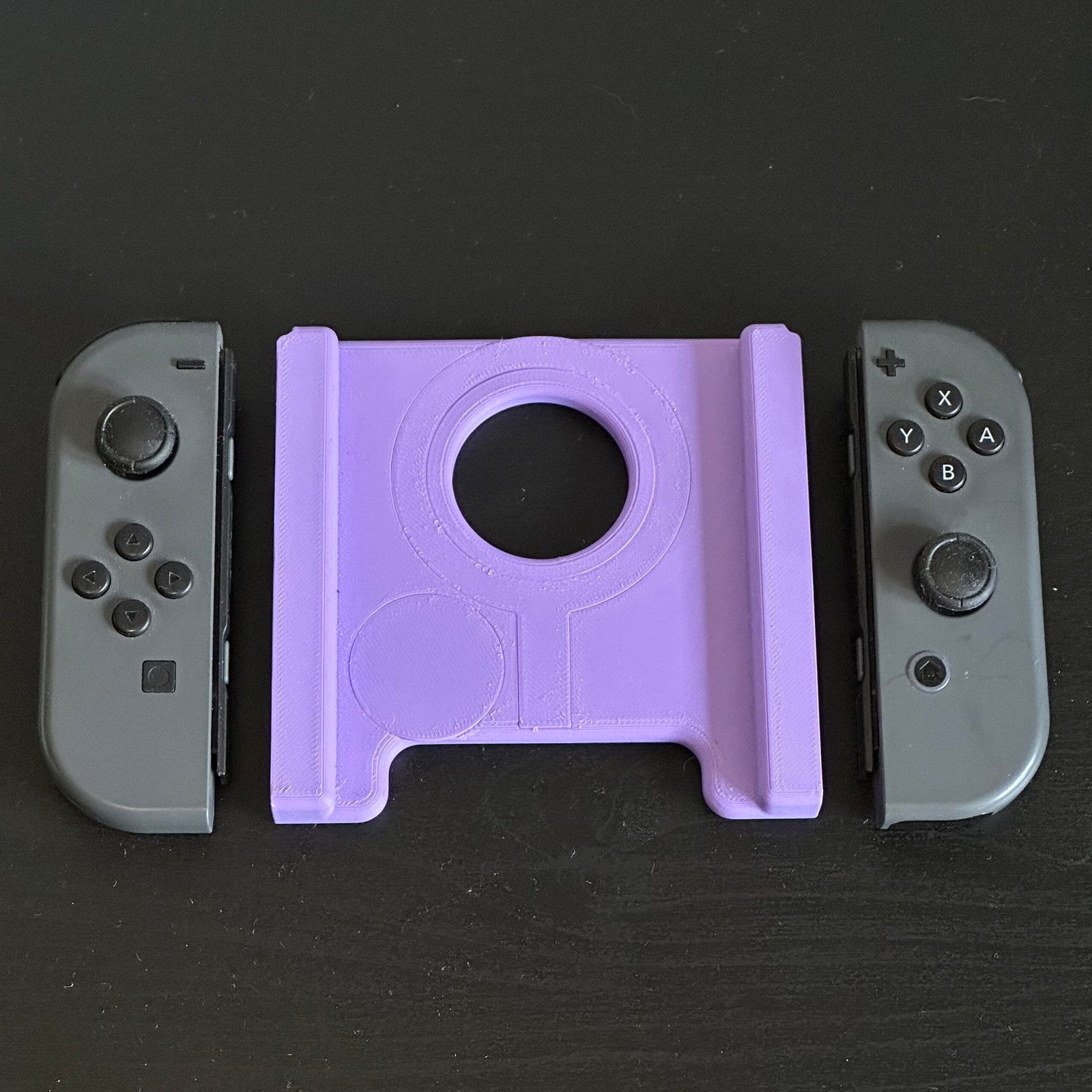
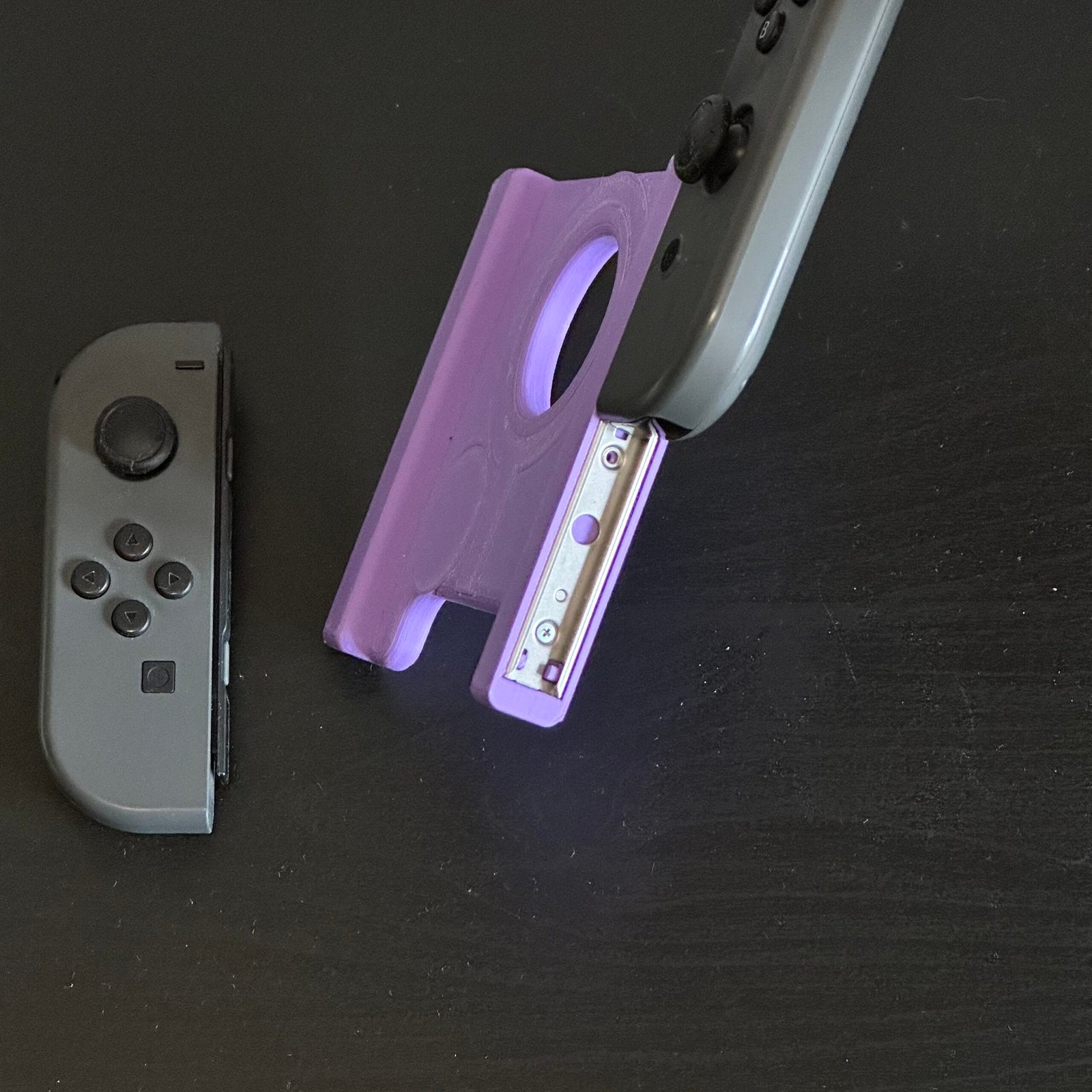
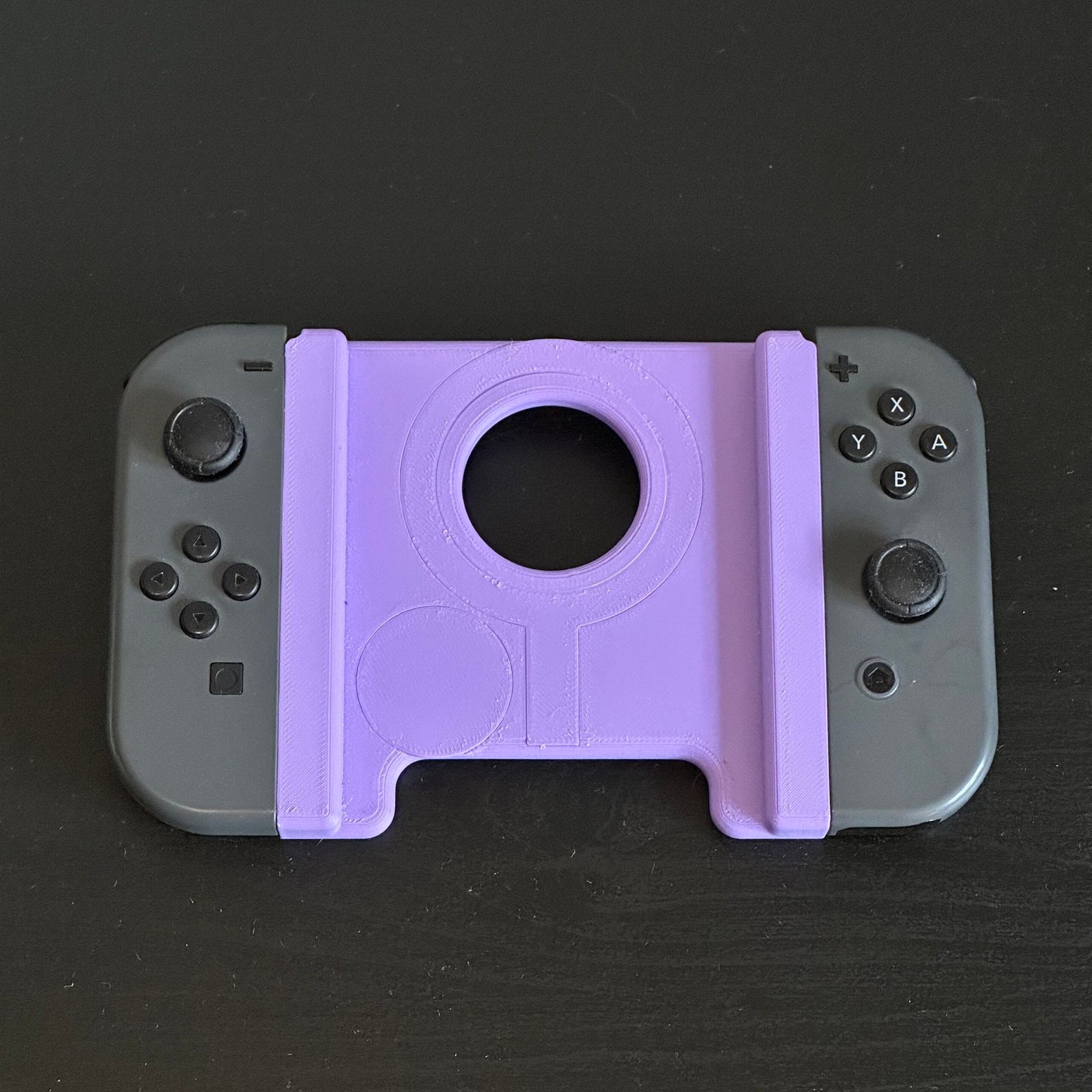
I created a modular adapter that lets a user attach Switch Joy-Cons to an iPhone with built-in MagSafe and NFC for quick connectivity.

Problem/Goal
Playing games on mobile devices can be difficult and uncomfortable due to lack of physical controls and poor ergonomic design for longterm use.

Approach
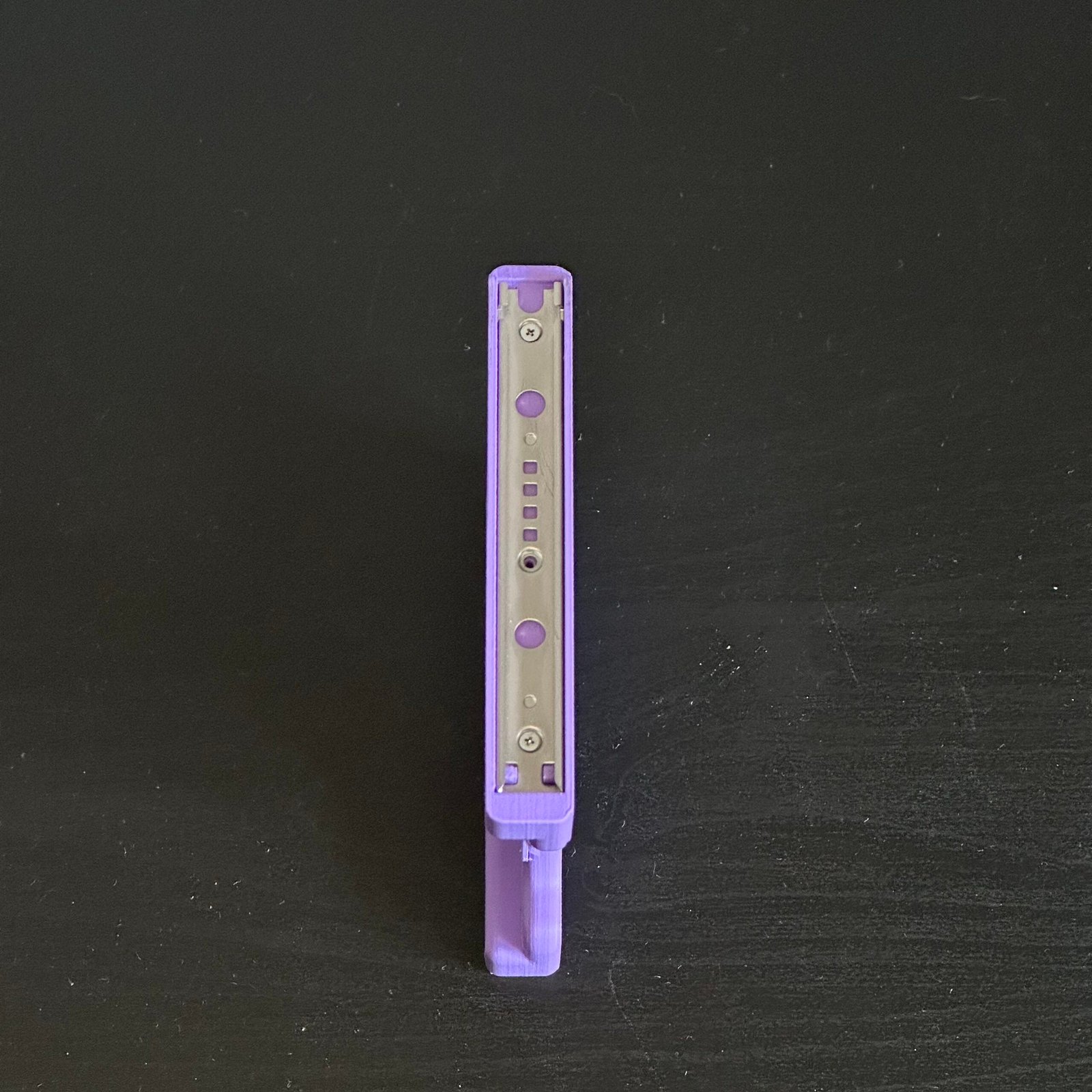
I designed and 3D-printed an ergonomic grip with embedded MagSafe magnets, an NFC chip and Joy-Con connection rails.

Outcome
The adapter improves comfort and convenience of mobile gaming by combining physical controls and smart, wireless features.

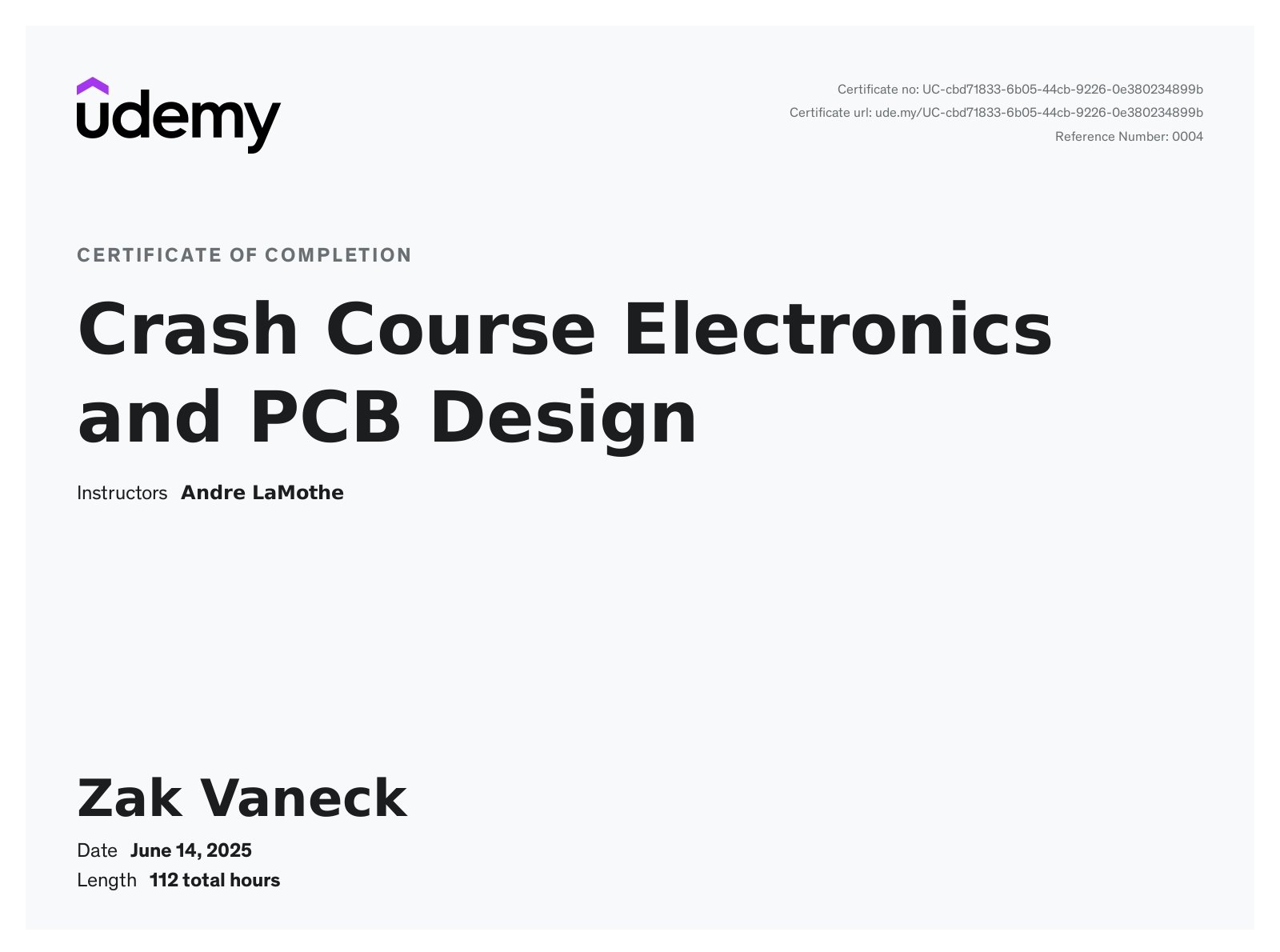
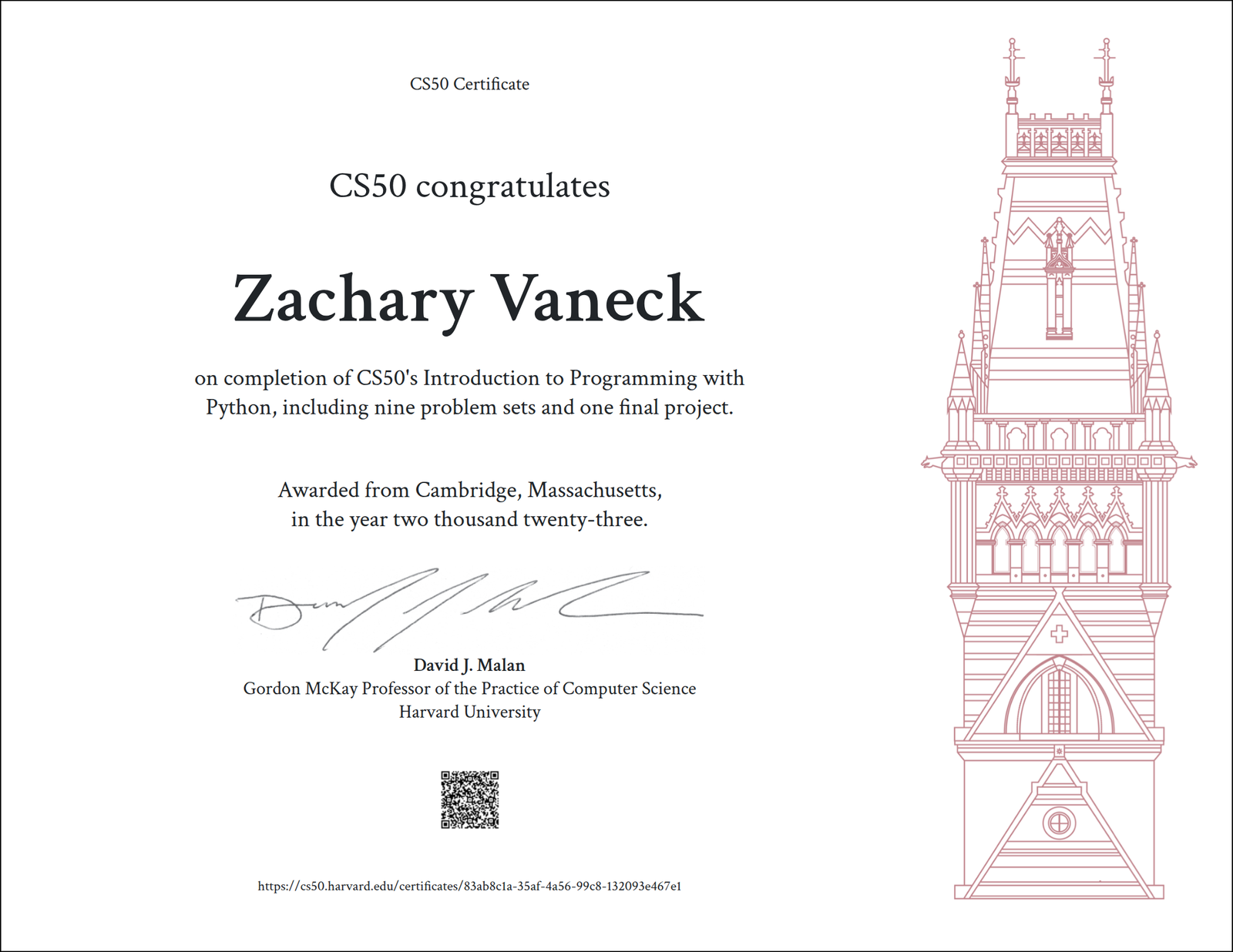
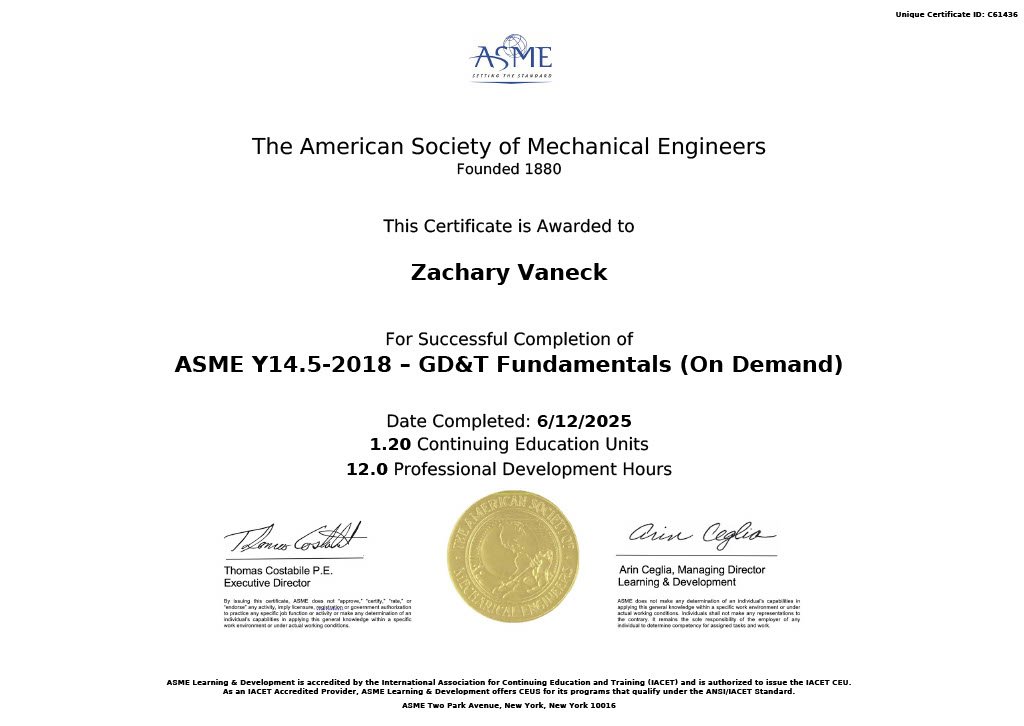
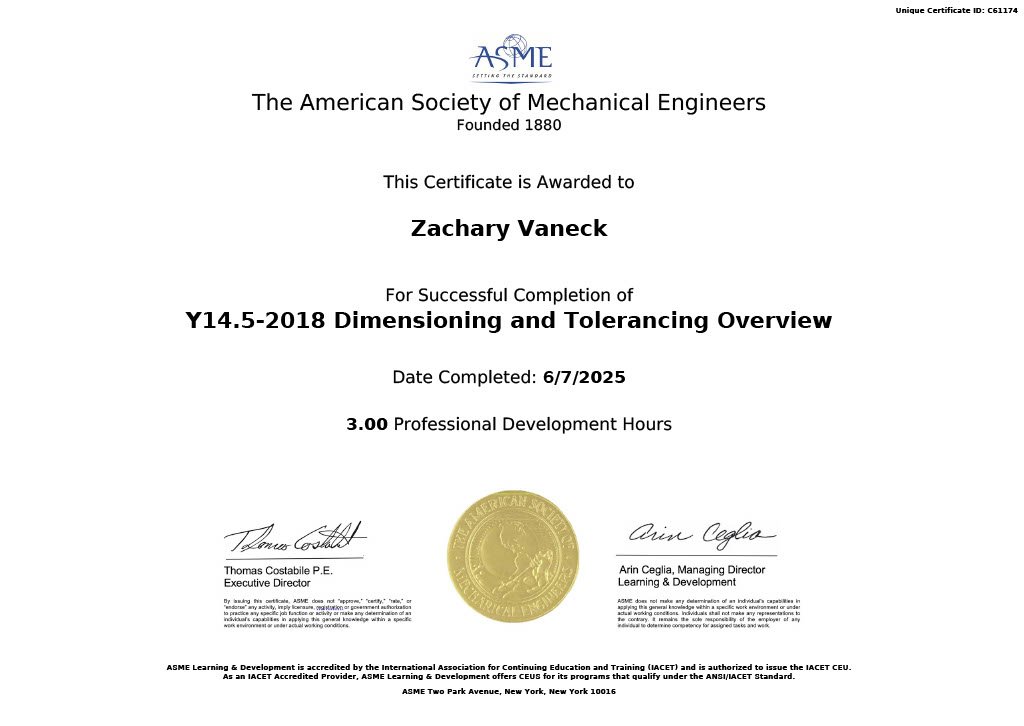
Courses + Certifications

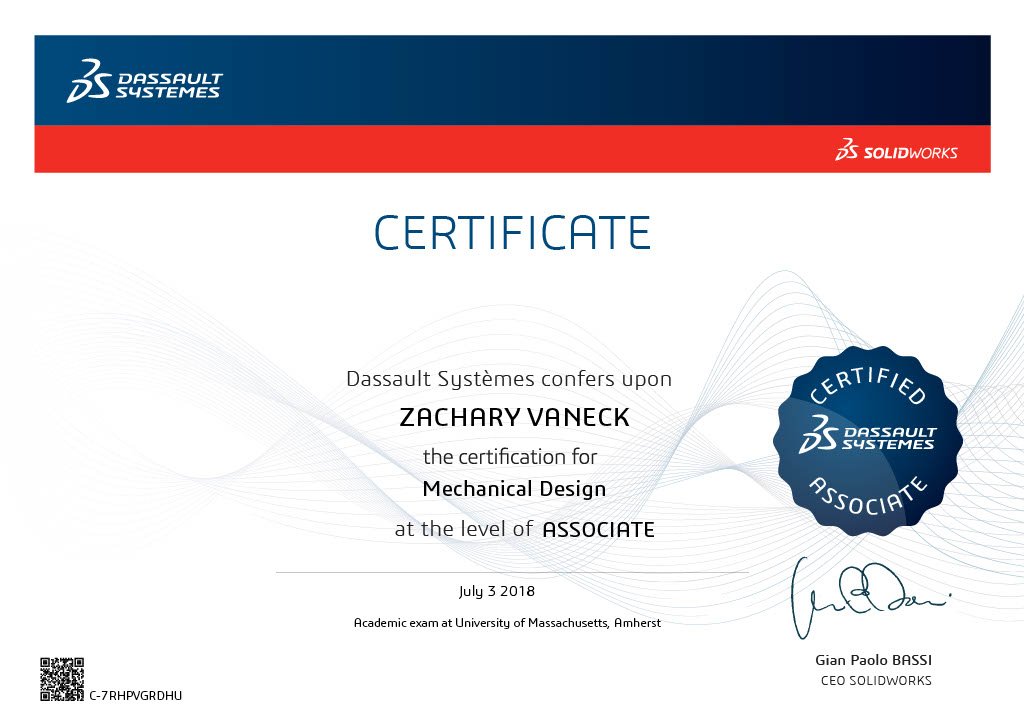
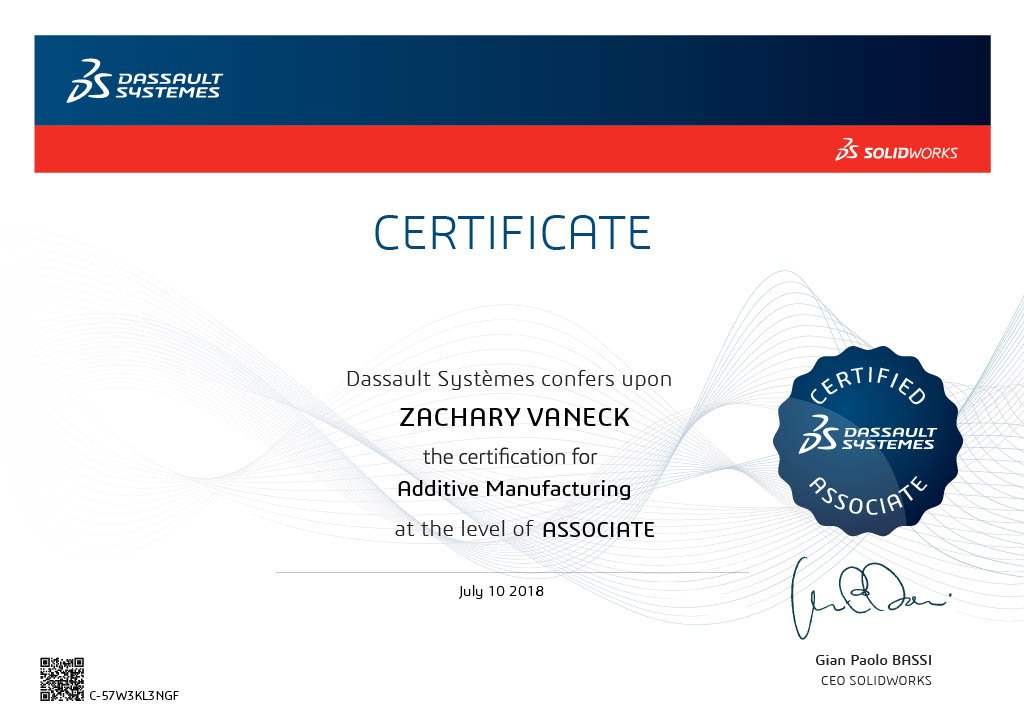
CAD & Simulation